Modulus India Credit Opportunities Fund III: above ₹300 Cr (26 Aug 2026)
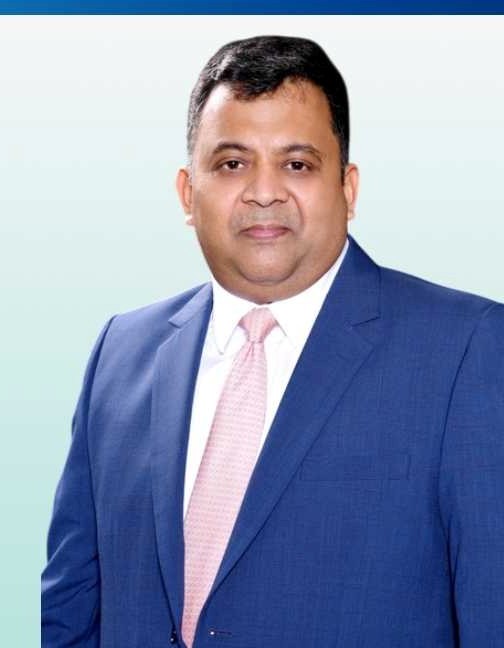
Sandeep Agarwal, CEO, Modulus Alternatives · Image: MarcaMoney
Independent report content
| MANAGER | Modulus Alternatives Investment Managers Limited, Mumbai · set up 2018 as Centrum Alternatives · promoted by Centrum Group; Alok Agarwal (former CFO of Reliance Industries) is a shareholder and director |
|---|---|
| FUND | India Credit Opportunities Fund III (also reported as Modulus Credit Opportunities Fund III) · Category II AIF · launched Jan 2026 · five-year tenor from first close |
| SIZE | First close with gross commitments above ₹300 Cr (26 Aug 2026) · target ₹2,000 Cr including a ₹1,000 Cr greenshoe (so about ₹1,000 Cr base) |
| RETURN TARGET | Gross IRR of about 16% a year (target, as reported at launch) · quarterly income distributions were a feature of ICOF II |
| TRACK RECORD | Fund I: gross IRR 17.01%, median investor IRR 14.28%, DPI 1.50x · ICOF II: ₹700 Cr+ final close, 10.00% cash yield, CARE AIF 1 grading |
| PLATFORM | ₹3,250 Cr+ across 32 investments · 21 exits (20 early) · ₹1,900 Cr+ returned · no credit losses (manager, Aug 2026) |
| PEOPLE | Sandeep Agarwal, CEO and CIO · previous CIO Rakshat Kapoor left in 2025 to join Motilal Oswal Alternates |
| THE ACCESS POINT ICOF III has held a first close and is still raising toward its target; the manager has not published a final-close date. Investors named in the first-close release are UHNIs, HNIs, institutional investors, and sponsors and their affiliates. Minimum commitment: not disclosed. |
|---|
Executive decision summary
| THE BOTTOM LINE | Modulus Alternatives is a small, specialist private-credit manager that has now completed one fund and is deep into its second. Its first fund, the Centrum Credit Opportunities Fund, matured in January 2025 with a 17.01% gross IRR, a median investor IRR of 14.28% after expenses and before tax, and distributions of 1.50 times paid-in capital. ICOF II closed at over ₹700 crore in September 2025 and holds CARE's top AIF 1 grading. ICOF III, launched in January 2026, announced a first close above ₹300 crore on 26 August 2026, with a target of ₹2,000 crore including a ₹1,000 crore greenshoe and a target gross IRR of about 16%. The record is good and the loss record is clean. The weak points are people and size. The CIO who ran Fund I and built ICOF II left in 2025, a new CEO was appointed around the turn of 2025 and 2026, and the fund is asked to scale from ₹700 crore to a target as large as ₹2,000 crore. The manager has also changed several headline numbers between releases, which makes the platform statistics harder to read than they should be. |
|---|---|
| WHICH INVESTOR | ICOF III fits you IF you want senior-secured, mid-market private credit from a manager with one completed fund and a clean reported loss record, and you accept a net return in the low-to-mid teens before tax. Wait IF you want to see how the new CEO and CIO performs on ICOF II's remaining loans, or you need published fees, tenure rules and borrower names before you commit. |
| COMFORT FIT | ICOF III is a second-generation family restaurant: the recipes (senior secured, covenant-heavy loans) worked in the first kitchen, but the head chef who cooked them has moved on. Fund I's 1.50x is like a loan book that was repaid early and relent: the investor got capital and interest back sooner, so the money multiple is smaller than a five-year hold would have shown, yet the yearly rate stayed high. Early repayment is a double-edged sword: 20 of 21 exits came ahead of maturity, which pleases the lender on risk but cuts the interest earned. Sundaram's PCOF (Report 12) is the larger, older-parent peer; Vivriti (Report 06) is the diversified peer; TVS Alts (Report 40) is the next entrant competing for the same borrowers. |
| THE RUPEIA NUMBER | 17.01% to 14.28%. The gap between Fund I's gross IRR and the median investor's IRR, before tax. About 2.7 percentage points a year went on fees and expenses. Applied to ICOF III's 16% gross target, the same gap would imply about 13.3% net. |
1 CLAIM REGISTER: EVIDENCE GRADING
A = government or regulator record. B = company or manager release. C = independent press. D = third-party database or blog.
| Claim | Source | Grade | Rupeia assessment |
|---|---|---|---|
| ICOF III first close above ₹300 Cr, announced 26 Aug 2026; target ₹2,000 Cr including ₹1,000 Cr greenshoe | Modulus release (Investment Guru India copy) | B | Established; manager-reported |
| Third fund launched Jan 2026 targeting ₹2,000 Cr; gross IRR target about 16%; five-year tenor | Venture Intelligence (from Business Line), 21 Jan 2026 | C | Target, not result |
| Fund I: gross IRR 17.01%, median investor IRR 14.28%, DPI 1.50x, TVPI 1.52x | Modulus release, 27 Jan 2025 (Tribune) | B | Manager-reported at maturity |
| ICOF II: ₹700 Cr+ final close; 11 companies; 10.00% cash yield; CARE AIF 1 | Modulus release, 1 Sep 2025 (Tribune; PMS Bazaar) | B | Manager-reported; grading by CareEdge |
| Platform: ₹3,250 Cr+ across 32 investments; 21 exits; ₹1,900 Cr+ returned; no losses | Modulus release, 26 Aug 2026 | B | Manager-reported; figures differ across releases |
| Sandeep Agarwal appointed CEO (Dec 2025 / Jan 2026) | Venture Intelligence; MarcaMoney | C | Established |
| Rakshat Kapoor, former CIO, left to lead Motilal Oswal's private credit push (June 2025) | PE Wire (citing Bloomberg); AllMind | C | Established |
| Alok Agarwal joined as equity partner with a 17.3% stake (Apr 2024) | Venture Intelligence, 15 Apr 2024 | C | Established as of 2024 |
| India private credit US$12.4 bn across 166 deals in 2025 | EY (18 Feb 2026) | C | Market indicator |
| Preqin lists nine staff; one aggregator calls Modulus an early-stage startup investor | Preqin; Inc42 company page | D | Conflicts with all manager releases; not relied on |
2 FUND SNAPSHOT: ICOF III VS INDIA'S PRIVATE-CREDIT PEERS
| Fund | Size and status (2026) | Style | Published return or target |
|---|---|---|---|
| Modulus ICOF III | First close above ₹300 Cr; target ₹2,000 Cr incl. ₹1,000 Cr greenshoe | Senior secured mid-market, five-year tenor | Target gross IRR about 16%; Fund I gross 17.01% |
| Sundaram PCOF Series I (Report 12) | ₹1,200 Cr final close (Jul 2026); over 85% deployed | Senior secured mid-market, 13 loans | Portfolio IRR 15.0%; net IRR 12.0%; DPI 0.05x |
| Vivriti AMC Vintage II / DBF III (Report 06) | ~₹1,700 Cr exited; DBF III ₹2,500 Cr + ₹2,500 Cr greenshoe | Diversified, ~45 borrowers | 13% / 10.5% net by tier; DBF III target net 12.75–13.5% |
| TVS Alts credit fund (Report 40) | ₹750 Cr + ₹500 Cr greenshoe; awaiting SEBI approval (Oct 2026) | Mid-market, 14–15 investments | Target about 16–17% |
| IIFL Capital Credit Opportunities Fund | First close above ₹500 Cr + ₹500 Cr greenshoe exercised (Apr 2026) | Diversified mid-market credit | No target stated |
| Motilal Oswal Alternates private credit | ~US$250 m planned (Jun 2025, Bloomberg via PE Wire) | Mid-to-large Indian corporates | Not stated |
| RUPEIA READ ICOF III is the smallest of the funds with a published first close, and it is also the only one whose predecessor fund has fully matured with an investor-level return. That is its strongest card: a median investor IRR of 14.28% on a completed cycle is more evidence than Sundaram's PCOF (still young), TVS Alts (not yet approved) or IIFL's credit fund (no history). Its target of 16% gross is in line with TVS Alts at 16–17%, and above Sundaram's 15.0% portfolio yield. What it does not have is the parent scale of Sundaram, the borrower count of Vivriti or the capital of EAAA. |
|---|
3 TIMELINE: 2018–2027
| Date | Event |
|---|---|
| 2018 | Centrum Alternatives (now Modulus Alternatives) established |
| 2019 | Centrum Credit Opportunities Fund (Fund I), a closed-ended Category II AIF, launched |
| Apr 2024 | Alok Agarwal, former CFO of Reliance Industries, joins as equity partner with a 17.3% stake |
| Aug 2024 (implied) | ICOF II tenor begins; five years ending August 2029 (Fund I release) |
| 27 Jan 2025 | Fund I matures: gross IRR 17.01%, median investor IRR 14.28%, DPI 1.50x; 13 of 15 investments exited early |
| Jun 2025 | Rakshat Kapoor, Head of Private Credit and CIO, steps down; reported to lead Motilal Oswal's private credit launch |
| 1 Sep 2025 | ICOF II final close above ₹700 Cr; CARE AIF 1 grading; 10.00% cash yield; 11 companies |
| 5 Dec 2025 | Venture Intelligence reports Sandeep Agarwal, formerly UBS Mumbai, as new CEO |
| 21 Jan 2026 | Third private credit fund launched, targeting ₹2,000 Cr including greenshoe |
| 26 Aug 2026 | ICOF III first close above ₹300 Cr; platform at ₹3,250 Cr+ across 32 investments |
| Aug 2029 | ICOF II scheduled tenor end |
| About Aug 2031 | ICOF III five-year tenor from first close (Rupeia calculation) |
4 THE MANAGER: MODULUS ALTERNATIVES AND THE CENTRUM LINK
Modulus Alternatives Investment Managers Limited is a Mumbai-based private-credit manager set up in 2018. Preqin states it was formerly known as Centrum Alternatives, and Centrum Group's own private-credit page says Centrum Alternatives "is now known as Modulus Alternatives". Venture Intelligence describes it as promoted by the Centrum group; in 2024 the same publication named Chandir Gidwani and Jaspal Bindra as the promoters of Centrum Capital. The manager runs close-ended Category II AIFs that lend to mid-market companies in senior-secured structures. Neither the first-close release nor the earlier releases give assets under management.
| Item | Published detail | Source |
|---|---|---|
| Business | Performing private credit; senior-secured, covenant-protected lending to mid-market companies | Modulus release |
| Funds run | Fund I (matured), ICOF II (final close), ICOF III (raising) | Modulus releases |
| Office | Mumbai | Preqin |
| Staff | Nine, per Preqin (not confirmed by the manager) | Preqin (grade D) |
| Firm ownership | Centrum Group and Alok Agarwal; Preqin lists it as an independent firm | Modulus release; Preqin |
| Assets under management | Not disclosed | — |
| RUPEIA READ This is a small team running large cheques. Nine staff against ₹3,250 crore of cumulative investments suggests a lean, relationship-driven shop, which is typical for a boutique credit manager and cheap for investors, but thin if key people leave. The 2025 CIO departure is the live example. The group heritage matters too: Centrum Group promoted the firm and still appears in its ownership, alongside an individual shareholder from outside the group. |
|---|
5 OWNERSHIP AND GOVERNANCE
| Person or body | Role | Detail |
|---|---|---|
| Jaspal Bindra | Executive Chairman, Centrum Group | Quoted in the Fund I exit release; named as a promoter of Centrum Capital |
| Alok Agarwal | Shareholder and director | Former CFO of Reliance Industries; entered with a 17.3% stake in April 2024, to rise over time (Venture Intelligence) |
| Vinod Rai | Chair of the Modulus board | Former Finance Secretary and Comptroller and Auditor General of India (release) |
| Raman Uberoi | Independent director | Senior Advisor, Government and Regulatory Relations, CRISIL; member of SEBI's Market Data Advisory Committee (release) |
| Sandeep Agarwal | CEO and CIO | Sits on the board and the investment committee (MarcaMoney) |
| Investment committee | Members not named | Described as "experienced" (Alok Agarwal quote) |
| RUPEIA READ The board is unusually senior for a firm of this size: a former CAG as chair and a former CRISIL ratings executive as independent director. That is a governance signal an LP can use. The gap is the investment committee, whose members are not named, and the shareholder structure after Alok Agarwal's stake grows. LPs should note that the firm's economic owners and its decision-makers are different people. |
|---|
6 GP QUALITY & TEAM ANALYSIS
| Dimension | Evidence | Rupeia view |
|---|---|---|
| Completed cycle | Fund I matured Jan 2025; 15 investments, investor IRR published | Strong for India |
| Loss record | Zero credit losses reported across the platform (Aug 2026) | Strong; definition not published |
| Independent grading | ICOF II CARE AIF 1, the highest CareEdge AIF grade | Strong |
| Senior team continuity | CIO left June 2025; new CEO and CIO from early 2026 | Weakness for ICOF III |
| Scale | ₹700 Cr+ to a ₹2,000 Cr target | Next test |
| Disclosure | Fund-level IRR, DPI and TVPI for Fund I; none for ICOF II or III yet | Partial |
| Governance | Board chaired by a former CAG | Strong |
Sandeep Agarwal is described as a former Chief Executive of UBS AG, Mumbai, with about 25 years of investment-banking and private-credit experience at Credit Suisse, JP Morgan, Deutsche Bank, PwC and ICICI Securities (MarcaMoney). The role, as stated, is to oversee fundraising, investments and operations and to sit on the board and the investment committee. In the first-close release Agarwal is quoted as saying that the first close "marks an important milestone for Modulus".
7 THE KEY-PERSON EVENT: FROM RAKSHAT KAPOOR TO SANDEEP AGARWAL
Rakshat Kapoor was Head of Private Credit and Chief Investment Officer at Modulus when Fund I matured, and is quoted in the January 2025 release saying that the result "highlights our disciplined investment approach". PE Wire, citing Bloomberg, reported in June 2025 that Kapoor had recently stepped down after more than six years at Modulus (earlier roles at Nomura and Deutsche Bank) to lead Motilal Oswal's debut private-credit strategy, a planned US$250 million fund on a platform managing about US$1.8 billion.
| Milestone | Who led credit | What was built or achieved |
|---|---|---|
| 2019–Jan 2025 | Rakshat Kapoor (Head of Private Credit and CIO) | Fund I invested ₹1,790 Cr across 15 investments and returned 1.50x |
| Jan–Jun 2025 | Rakshat Kapoor | ICOF II deployed over ₹800 Cr across six investments (Jan 2025) |
| Jun–Sep 2025 | Transition | ICOF II reached final close above ₹700 Cr with 11 companies |
| Dec 2025 onward | Sandeep Agarwal (CEO and CIO) | ICOF III launched Jan 2026; first close 26 Aug 2026 |
| RUPEIA CALCULATION Between January 2025 and September 2025, ICOF II's deployed amount rose from "over ₹800 crore across six investments" to "over ₹1,156 crore across 11 companies": five new investments and about ₹356 crore added (1,156 − 800) during or just after the CIO transition. The release does not say who underwrote them. What can be said is that more than a third of ICOF II's eleven loans were originated in the months surrounding the CIO's exit (5 of 11 = 45%). Fund I's record belongs to the old team; ICOF III's record will belong to the new one. |
|---|
8 FUND I: THE CENTRUM CREDIT OPPORTUNITIES FUND IN FULL
| Measure (Modulus release, 27 Jan 2025) | Fund I |
|---|---|
| Legal form | Closed-ended Category II AIF, launched 2019 |
| Invested | ₹1,790 Cr "through the Fund and other investors", across 15 investments |
| Strategy | Senior-secured operating-company exposures with regular coupon-bearing investments |
| Sectors | Healthcare and pharmaceuticals, consumer durables, specialty chemicals, industrials |
| Gross IRR | 17.01% |
| Median investor IRR (pre-tax, post-expenses) | 14.28% |
| DPI / TVPI | 1.50x / 1.52x |
| Exit routes | 45% from improved operating cash flows; 30% from equity raises; remainder from refinancing |
| Early exits | 13 of 15 investments exited ahead of schedule |
| Fund size and tenor | Not disclosed |
The release describes the fund as having navigated "challenges like the NBFC crisis and the pandemic". It does not give fund commitments, so DPI cannot be tied to a paid-in base, and it does not state whether any of the 15 investments were restructured.
9 WHAT FUND I'S NUMBERS IMPLY
| Rupeia calculation | Formula | Result |
|---|---|---|
| Average investment size | ₹1,790 Cr ÷ 15 | ~₹119 Cr |
| Gross-to-investor drag | 17.01% − 14.28% | 2.73 percentage points |
| Share of gross return kept by the median investor | 14.28 ÷ 17.01 | ~84% |
| Implied average holding period | ln(1.50) ÷ ln(1.1701) | ~2.6 years |
| Multiple if held five years at 17.01% | 1.1701^5 | ~2.19x |
| Early exits, share of portfolio | 13 ÷ 15 | 87% |
| RUPEIA READ Fund I's 1.50x looks modest next to private equity, but it is the signature of a credit fund that is repaid early. A 17% yield that returns 1.50x implies money was out only about 2.6 years on average, not five. Early repayment protects against default but also ends the high-yield loan sooner, and the manager must re-lend the money, which is why gross-to-net drag matters. The practical lesson for ICOF III: what the investor earns depends on how fast borrowers repay and how quickly the manager finds new loans at similar yields. |
|---|
10 ICOF II: THE SECOND VINTAGE
| Measure (release of 1 Sep 2025) | ICOF II |
|---|---|
| Final close | Commitments "exceeding INR 700 crore" |
| Tenor | Five years, ending August 2029 |
| Portfolio | 11 companies; "over INR 1,156 crore" deployed between the fund and other investors |
| Sectors | Pharmaceuticals, energy, financial services, auto ancillary, healthcare |
| Cash yield | Annualised 10.00% including TDS, paid quarterly |
| Cash returned | More than ₹43 Cr to investors |
| Grading | CARE AIF 1 from CareEdge, "the highest grading" for AIFs |
| Investors | Family offices, institutions, HNIs and UHNIs |
| Target | Gross IRR of 16%+ with quarterly income (ICOF III release) |
| RUPEIA CALCULATION Deployed capital of ₹1,156 crore against commitments of about ₹700 crore is 1.65 times (1,156 ÷ 700). The release's wording, "between the Fund and Other Investors", explains it: ICOF II lends alongside other investors or re-lends repaid money. Cash returned of ₹43 crore is about 6% of commitments, which is consistent with a 10% cash yield on a fund still deploying. The 10.00% cash yield is below the 16%+ gross IRR target by six points. The gap is made up of fees, costs, and the part of return not yet paid out as cash. |
|---|
11 PLATFORM STATISTICS: HOW THE HEADLINE NUMBERS HAVE MOVED
| Release date | Deployed | Investments | Exits | Returned |
|---|---|---|---|---|
| 27 Jan 2025 (Fund I exit) | ₹2,500 Cr+ | 21 | Not stated | Not stated |
| 1 Sep 2025 (ICOF II close) | ₹2,946 Cr | 26 | 16 | ₹1,690 Cr+ |
| Centrum private-credit page (2025) | ₹2,945 Cr | 26 | 16 | ₹1,685 Cr+ |
| Dec 2025 (CEO appointment) | ₹2,996 Cr | 26 | 17 | ₹1,700 Cr+ |
| 21 Jan 2026 (launch) | ₹3,150 Cr+ | 29 | 18 | ₹1,900 Cr+ |
| 26 Aug 2026 (first close) | ₹3,250 Cr+ | 32 | 21 (20 early) | ₹1,900 Cr+ |
| RUPEIA CALCULATION Between January 2026 and August 2026 the platform added about ₹100 crore of cumulative deployment (3,250 − 3,150) and three investments, while exits rose from 18 to 21. Returned capital stayed at "over ₹1,900 crore", so three more exits did not move the reported total, which suggests the figure is a rounded floor. Average size per investment on the August 2026 numbers is about ₹102 crore (3,250 ÷ 32). Exits as a share of investments are 66% (21 ÷ 32); early exits are 95% of exits (20 ÷ 21). The figures are consistent in direction, but LPs should treat each as "at least" numbers and ask for a reconciled schedule. |
|---|
12 TRACK RECORD & DPI: WHAT CAN AND CANNOT BE CLAIMED
| Vehicle | Published return | Cash returned | Status |
|---|---|---|---|
| Fund I | Gross IRR 17.01%; median investor IRR 14.28% | DPI 1.50x; TVPI 1.52x | Matured Jan 2025 |
| ICOF II | Target gross 16%+; no IRR published | 10.00% annualised yield; ₹43 Cr+ returned | Final close Sep 2025; tenor to Aug 2029 |
| ICOF III | Target gross about 16% | None | First close Aug 2026 |
Only Fund I has a completed, investor-level return. ICOF II has a cash yield and an independent grading but no published IRR or DPI. ICOF III has a target. The manager's platform figures (32 investments, 21 exits, ₹1,900 crore returned, no credit losses) span all vehicles and "other investors", and are not a track record for ICOF III.
13 ICOF III: STRUCTURE, TARGET AND THE NAMING QUESTION
| Item | What the sources say | Source and date |
|---|---|---|
| Name | Modulus Credit Opportunities Fund III (MCOF III) in January; India Credit Opportunities Fund III (ICOF III) in August | Venture Intelligence; Modulus release |
| SEBI approval | Reported as for a third private-credit fund of ₹1,200–1,500 Cr | Venture Intelligence, Dec 2025 |
| Target size | ₹2,000 Cr including a green-shoe option (₹1,000 Cr greenshoe per August release) | Venture Intelligence, Jan 2026; Modulus release, Aug 2026 |
| Legal form | Category II AIF; senior-secured, covenant-protected | Modulus release |
| Tenor | Five years from first close | Venture Intelligence |
| Return target | Gross IRR about 16% a year | Venture Intelligence (Business Line) |
| Fees, carry, hurdle, minimum | Not disclosed | — |
The names differ across releases and no source explains the change. The target also moved: a December 2025 report cited SEBI approval for ₹1,200–1,500 crore, January 2026 coverage cited ₹2,000 crore including a greenshoe, and the first-close release says ₹2,000 crore including a ₹1,000 crore greenshoe. A base of about ₹1,000 crore is therefore an inference from the greenshoe wording, not a stated number.
| RUPEIA READ A ₹1,200–1,500 crore approval figure, a ₹1,000 crore base and a ₹2,000 crore ceiling describe the same ambition at three levels. For an investor, the practical question is where the fund stops. The manager's ICOF II raised ₹700 crore; a ₹1,000 crore base is a 43% step up, and ₹2,000 crore is 2.9 times. |
|---|
14 THE FIRST CLOSE IN NUMBERS
| Measure | Figure | Basis |
|---|---|---|
| First close | Gross commitments above ₹300 Cr | Modulus release, 26 Aug 2026 |
| As % of ₹1,000 Cr base | About 30% | Rupeia calculation |
| As % of ₹2,000 Cr target | About 15% | Rupeia calculation |
| Time from launch to first close | About seven months (21 Jan to 26 Aug 2026) | Rupeia calculation |
| Investors named in release | UHNIs, HNIs, marquee institutional investors, sponsors and their affiliates | Modulus release |
| Compare: ICOF II final close | ₹700 Cr+ | Modulus release, Sep 2025 |
| RUPEIA READ Thirty per cent of the base after seven months is a respectable but not rapid start. Sundaram's PCOF launched in October 2024 and reached final close at ₹1,200 crore in July 2026 (about 21 months); JM Financial's pre-IPO fund took six months from launch to a ₹700 crore first close (Report 17). ICOF III is in line with peers in pace but short of Sundaram's real-estate funds, which closed well above target. "Sponsors and their affiliates" in the investor list means the manager's own network is among the early LPs, which is positive for alignment but should be sized. |
|---|
15 STRATEGY AND SECTORS
The first-close release describes ICOF III as investing in "performing credit opportunities across businesses with established business models, sector tailwinds and meaningful entry barriers", with a focus on capital preservation, downside protection and "senior-secured structures and robust covenant protection". The January 2026 coverage listed target sectors: chemicals, healthcare, pharmaceuticals, industrials, clean energy and auto ancillaries.
| Sector | Appears in | Rupeia note |
|---|---|---|
| Healthcare and pharmaceuticals | Fund I; ICOF II; ICOF III targets | The most consistent theme across all three funds |
| Specialty chemicals | Fund I; ICOF III targets | Export-linked; environmental and input-cost risks |
| Industrials | Fund I; ICOF III targets | Capex and order-book cycles |
| Consumer durables | Fund I | Not in ICOF III list |
| Energy / clean energy | ICOF II (energy); ICOF III (clean energy) | Different risk profile from the earlier sectors |
| Financial services | ICOF II | New in ICOF II; not in ICOF III list |
| Auto ancillary | ICOF II; ICOF III targets | Cyclical, concentrated customer base |
| RUPEIA READ The sector mix is steady where it matters: healthcare, pharma, chemicals and industrials have been constant since Fund I. The new entrants (energy, financial services, auto ancillary) arrived in ICOF II, the vintage built around the CIO transition. That is not a red flag by itself, since EY data show healthcare and industrial products among the top private-credit recipients, but it is where ICOF III's risk profile will differ from Fund I's. |
|---|
16 DEPLOYMENT CAPACITY: WHAT ICOF III CAN LEND
| Fund size | Loans at ₹50 Cr | Loans at ₹100 Cr | Loans at ₹120 Cr (Fund I average) |
|---|---|---|---|
| ₹300 Cr (first close) | 6 | 3 | 2–3 |
| ₹1,000 Cr (base) | 20 | 10 | 8 |
| ₹2,000 Cr (target) | 40 | 20 | 16–17 |
| RUPEIA CALCULATION Loans = fund size ÷ average ticket, before fees and reserve. Fund I averaged about ₹119 crore per investment (₹1,790 Cr ÷ 15) and ICOF II about ₹105 crore (₹1,156 Cr ÷ 11), both including "other investors". At that ticket a ₹2,000 crore fund could need 16–20 loans with a typical ticket, but the manager has only 32 investments in nine years. The platform made 11 investments in about two years for ICOF II, a pace of roughly five or six a year. Deploying ₹2,000 crore in three years at that pace would need a higher ticket size, more co-lenders or faster origination. That is the scaling question. |
|---|
17 THE LP BASE
ICOF II's investors are described as marquee family offices, institutions, HNIs and UHNIs, with no names or split. The ICOF III first-close release adds "sponsors and their affiliates". Neither release says how many ICOF II investors re-committed to ICOF III.
| RUPEIA READ Re-up rate is the best single piece of evidence a credit manager can publish and Modulus has not published it. With nine staff and ₹700 crore of ICOF II, a quick first close of ₹300 crore would be consistent with a high re-up, but also with a small number of large cheques from sponsors and affiliates. The first named institution that commits will be a useful signal. |
|---|
18 CONFLICTS AND AFFILIATED VEHICLES
| Possible conflict | Why it arises | What to ask |
|---|---|---|
| Sponsor and affiliate money in the fund | Release lists "sponsors and their affiliates" among investors | Size of affiliate commitments and fee terms |
| Centrum Group origination | Group heritage and shared network with the manager | Whether any ICOF III borrower is a Centrum Group client or counterparty |
| Co-investors alongside the fund | Deals include "other investors" | Allocation policy and whether co-investors pay fees |
| Overlap between funds | ICOF II (to 2029) and ICOF III both lend to mid-market | Cross-fund allocation and loan-by-loan rules |
| RUPEIA READ Two concurrent funds drawing on a team of about nine people raises the allocation question: when a good loan appears, which fund takes it? ICOF II is at 11 companies and has finished raising, so ICOF III is the vehicle most likely to receive new loans, but that rule has to be written down. Rupeia found no published allocation policy. |
|---|
19 GROSS TO NET TO POST-TAX: WHAT AN INVESTOR KEEPS
Fees and expenses for ICOF III are not disclosed, so the net figure below applies Fund I's published gap to ICOF III's 16% target. It is a Rupeia estimate, not a manager forecast.
| Step (₹1 Cr invested, illustrative) | Annual figure |
|---|---|
| Gross IRR target | 16.0% (₹16.0 lakh) |
| Estimated net (subtract Fund I drag of 2.73 points) | ~13.3% (₹13.3 lakh) |
| Alternative estimate (keep 84% of gross, as in Fund I) | ~13.4% |
| Tax at 31.2% (30% slab plus 4% cess), before surcharge | ~₹4.1 lakh |
| Post-tax return, top slab without surcharge | ~9.1% |
| Post-tax at an effective ~39% rate | ~8.1% |
| RUPEIA CALCULATION Net = gross − 2.73 = 13.27%; post-tax = 13.27 × (1 − 0.312) = 9.1%; at 39%, 13.27 × 0.61 = 8.1%. Category II AIFs are pass-through, so interest income is taxed in the investor's hands at the investor's rate. For a top-bracket individual, the 16% gross target becomes roughly 8–9% after fees and tax. For an investor in a lower bracket, or an entity with different treatment, the result is better. That is why the right comparison is the net, post-tax return against the next-best alternative, not the gross target. |
|---|
20 FUND MATHS: WHAT IT TAKES TO RETURN 1.5X AND 2X
| Net annual return (compounded) | 3 years | 4 years | 5 years |
|---|---|---|---|
| 11% | 1.37x | 1.52x | 1.69x |
| 13.3% (Rupeia ICOF III estimate) | 1.45x | 1.65x | 1.87x |
| 14.28% (Fund I median investor IRR) | 1.49x | 1.71x | 1.95x |
| 16% (gross target) | 1.56x | 1.81x | 2.10x |
| RUPEIA CALCULATION Multiple = (1 + rate)^years, assuming all income is reinvested at the same rate. Credit funds pay income out, so the actual multiple will be lower unless the investor reinvests distributions. Fund I's 1.50x DPI at 14.28% is consistent with about three years of compounding. A 2x outcome needs five years at 14.9% net, which is above Fund I's median. Credit funds are not designed to return 3x; the realistic target is 1.5–1.9x of capital over four to five years. |
|---|
21 MARKET CONTEXT: INDIA'S PRIVATE CREDIT IN 2025–26
| Indicator | Figure | Source |
|---|---|---|
| Private-credit investment, 2025 | US$12.4 bn across 166 transactions (EY quotes 35% growth) | EY, 18 Feb 2026 |
| Second half of 2025 | US$3.4 bn, against US$3.3 bn in H2 2024 | EY |
| Use of capital, H2 2025 | Over 35% for refinancing, acquisition financing and capex | EY |
| Large deals | Above US$100 m: 9% of deals, nearly 36% of value | EY |
| Who is lending | Domestic funds took a larger share than global funds | EY |
| Where the money went | Real estate highest, then healthcare and industrial products | EY |
| Fund-manager targets (pulse survey) | 45% target 12–18% IRR; 55% target 18–24% | EY survey |
| Outlook | About 67% of managers bullish for 2–5 years; real estate seen as the riskiest sector | EY survey |
| RUPEIA READ Modulus's sectors line up with where the money is going: healthcare and industrial products are the second and third largest recipients after real estate, which Modulus does not lend to. Its 16% gross target sits in the lower of the two target bands managers report (12–18%), which is conservative for a mid-market senior-secured manager and consistent with its low-loss record. Cheque sizes of about ₹100 crore are far below the US$100 million (about ₹960 crore) deals that account for 36% of value, so Modulus competes in the crowded middle of the market, not among the headline deals. |
|---|
22 THE RBI RULES ON BANK AND NBFC MONEY IN AIFs
From 1 January 2026, the RBI's Investment in AIF Directions, 2025 limit one regulated lender to 10% of an AIF scheme and all regulated lenders together to 20%. A lender holding more than 5% must provide fully for its share of any downstream investment in its own borrowers (Vinod Kothari Consultants; Taxmann).
| RUPEIA READ ICOF III's first-close investors are UHNIs, HNIs, institutions and sponsors with affiliates, not named banks or NBFCs, so the rules touch it lightly. They do matter for the capital stack of its borrowers: mid-market companies that borrow from banks and NBFCs and also from credit AIFs will find banks less willing to invest in credit funds that lend to the same names. That favours funds with a high-net-worth base. |
|---|
23 CAPABILITY MATRIX: YES / NO / PARTIAL
| Capability | Status | Evidence |
|---|---|---|
| Completed fund cycle | YES | Fund I matured with 17.01% gross, 14.28% investor IRR |
| Independent grading | YES | ICOF II CARE AIF 1 |
| Reported loss record | YES | Zero credit losses (manager) |
| Senior team continuity | PARTIAL | CIO left in 2025; new CEO and CIO since early 2026 |
| Investor-level return for ICOF II | NO | Cash yield only |
| Disclosure of fees and terms | NO | Not disclosed |
| Scale to ₹2,000 Cr | PARTIAL | Largest fund to date ₹700 Cr+ |
| Consistent platform statistics | PARTIAL | Totals vary across releases |
24 RISK ANALYSIS: RED FLAGS & KILL CONDITIONS
| Risk | Evidence | Severity | Kill condition |
|---|---|---|---|
| Key-person and team depth | CIO exit in 2025; nine staff (Preqin) | HIGH | Another senior investment departure before ICOF III is fully deployed |
| Scaling | ₹700 Cr to ₹2,000 Cr target | MEDIUM | Average cheque size above ₹150 Cr or security cover below historical levels |
| Credit cycle | Mid-market borrowers in chemicals, auto, pharma | MEDIUM | First loss or restructuring in ICOF II or III |
| Early repayment | 20 of 21 exits early | MEDIUM | Re-lending yields fall below 14% |
| Disclosure | Statistics differ across releases; no ICOF II IRR | MEDIUM | No reconciled schedule by ICOF III final close |
| Allocation between funds | ICOF II and III both active | MEDIUM | No published allocation policy |
| Tax | Interest taxed at slab rates | LOW | Change in AIF pass-through rules |
25 SCENARIO ANALYSIS
| Scenario | What happens | ICOF III net IRR (Rupeia illustration) |
|---|---|---|
| Bull | Fund reaches ₹1,000 Cr+; loans repay on time; re-lending at 16% | 13–14% |
| Base | Fund stops near base; one or two loans repay late or restructure without loss | 11–12.5% |
| Bear | Rapid scaling; weaker underwriting; a loss on one loan; slower repayments | 7–10% |
These bands apply Fund I's gap between gross and investor returns to a range of gross outcomes. They are illustrations, not manager forecasts.
26 LP SIGNAL & RE-UP ANALYSIS
Modulus has not published a re-up rate. The signals are indirect: ICOF II closed above ₹700 crore, ICOF III reached ₹300 crore in seven months, the first-close release lists institutions and sponsors, and the platform's returned capital of more than ₹1,900 crore implies LPs have been paid.
| RUPEIA READ The cleanest test is the final-close announcement. If the manager reports how many ICOF II investors re-committed, and how much of the ₹1,000 crore base came from them, that answers the question. A close that stalls near ₹500 crore would suggest that the CIO change had cost some investor confidence. |
|---|
27 INVESTOR CLASS ANALYSIS
| Investor | Fit | Why |
|---|---|---|
| HNI (lower effective tax rate) | YES | Senior-secured income; low-teens net; completed predecessor fund |
| HNI (top tax bracket) | PARTIAL | Post-tax about 8–9% on Rupeia estimate |
| Family office | YES | Quarterly income, graded predecessor, access to manager |
| Institution | PARTIAL | CARE AIF 1 on ICOF II; team size and CIO change need diligence |
| NRI | PARTIAL | Possible via AIF route; paperwork and tax |
28 COMFORT FIT: THE DECISION PAGE
| COMMIT IF | You want senior-secured mid-market credit from a manager with a completed fund, a graded second fund and a clean loss record, and you accept a net return in the low-to-mid teens. |
|---|---|
| PREFER A PEER IF | You want a bigger parent (Sundaram, Report 12) or a diversified borrower book (Vivriti, Report 06) with a larger team. |
| WAIT IF | You want the new CEO and CIO to show a record on ICOF II first, or you need published fees and allocation rules. |
29 THE EARLY SIGNAL: EVENTS TO WATCH
| When | Event | Why it matters |
|---|---|---|
| Q4 2026 to Q1 2027 | Further ICOF III closes | Tests demand beyond sponsors and affiliates |
| 2027 | Final close and greenshoe decision | Confirms whether the fund scales past ₹1,000 Cr |
| 2027 | First ICOF III loans described or disclosed | Shows sector mix and ticket sizes |
| 2026–2027 | Any ICOF II IRR or DPI published | First investor-level return from the new team's era |
| Any time | Senior team change | Key-person risk is the central risk |
30 RUPEIA FINAL INDEPENDENT VIEW
Modulus Alternatives has the ingredients of a good small credit manager: a completed fund with a 14.28% median investor IRR, a graded second fund, a clean reported loss record and a board chaired by a former CAG. ICOF III has a clear mandate, a 16% gross target and a first close above ₹300 crore. The doubts are specific. The CIO who built the record left in 2025, the fund is asked to triple the size of its last, and the manager's platform statistics have changed from release to release without a reconciliation.
Rupeia's view: ICOF III suits investors who value a completed cycle and conservative, covenant-heavy lending, and who will accept a post-tax return of about 8–9% at the top tax rate. The decision comes down to the new team. Investors who want that team to show a record first can wait for ICOF II's returns and ICOF III's final close.
Frequently asked questions
What is Modulus ICOF III?
India Credit Opportunities Fund III is a Category II AIF from Modulus Alternatives that lends to mid-market Indian companies in senior-secured structures. It announced a first close with gross commitments above ₹300 crore on 26 August 2026.
How big will the fund be?
The reported target is ₹2,000 crore including a ₹1,000 crore greenshoe, so the base is about ₹1,000 crore. A December 2025 report cited SEBI approval for ₹1,200–1,500 crore.
What return does ICOF III target?
A gross IRR of about 16% a year, as reported at launch. That is a target, not a result. Fund I's gross IRR was 17.01% and the median investor IRR was 14.28%.
How did Modulus's earlier funds perform?
Fund I matured in January 2025 with a 17.01% gross IRR, 14.28% median investor IRR, DPI of 1.50x and TVPI of 1.52x. ICOF II closed at over ₹700 crore in September 2025 with a 10.00% annualised cash yield and a CARE AIF 1 grading.
Who runs Modulus Alternatives?
Sandeep Agarwal is CEO and CIO, appointed from UBS Mumbai (reported between December 2025 and January 2026). The board is chaired by Vinod Rai, a former Comptroller and Auditor General of India. The former CIO, Rakshat Kapoor, left in 2025.
Has Modulus lost money on any loan?
The manager reports zero credit losses across its platform. It has not published how it defines a credit loss.
What is Modulus's relationship with Centrum?
Modulus was set up in 2018 as Centrum Alternatives and is described as promoted by Centrum Group. Alok Agarwal, former CFO of Reliance Industries, is a shareholder and director.
How does ICOF III compare with Sundaram and Vivriti?
Sundaram's PCOF closed at ₹1,200 crore with a 12.0% net IRR to date; Vivriti's Vintage II exited with 10.5–13% net returns. ICOF III is smaller but its predecessor has a completed 14.28% median investor IRR.
What are the main risks?
Key-person risk after the CIO change, scaling from ₹700 crore to a ₹2,000 crore target, early repayments that cut interest earned, the credit cycle in mid-market borrowers, and limited disclosure of fees and allocation rules.
How is the income taxed?
Category II AIFs are pass-through. Interest income is taxed in the investor's hands at their slab rate, so a 16% gross target becomes roughly 8–9% after fees and tax at the top rates (Rupeia estimate).
Source log
Investment Guru India: Modulus Alternatives announces first close of ICOF III (26 Aug 2026)
Venture Intelligence: Modulus Alternatives launches third private credit fund targeting ₹2,000 Cr (21 Jan 2026)
Tribune (ANI): Modulus Alternatives announces maturity and exit of Fund I at 17% gross IRR (27 Jan 2025)
Tribune (ANI): Modulus Alternatives announces ₹700 crore final close of ICOF II (1 Sep 2025)
PMS Bazaar: Modulus marks ₹700+ crore final close of ICOF II
Venture Intelligence: Centrum group's Modulus Alternatives hires Sandeep Agarwal as CEO
MarcaMoney: Modulus Alternatives appoints Sandeep Agarwal as CEO
Venture Intelligence: Modulus Alternatives makes Alok Agarwal equity partner (15 Apr 2024)
Centrum Group: Private credit (Modulus Alternatives)
Preqin: Centrum Alternatives (now Modulus) fund manager profile
Inc42: Modulus Alternatives company page
PE Wire: Motilal Oswal taps former Modulus Alternatives CIO
AllMind (Bloomberg): Motilal Oswal enters private credit
Taxmann TMI: Modulus Alternatives maiden private credit fund exits at 17%+ gross IRR
EY: Private credit records US$3.4bn in H2 2025 (Feb 2026)
Outlook Business: Record US$12.4bn private-credit deployment in CY2025 (EY)
Cafemutual: Sundaram Alternates announces final close of performing credit fund at ₹1,200 crore
FinTech BizNews: Final close of SA's PCOF Series I at ₹1,200 Cr
Outlook Business (PTI): IIFL Capital Credit Opportunities Fund raises ₹500 crore
Business Standard (ANI): EAAA returns 100% investor capital from ESOF III
YourStory: TVS Capital enters private credit with ₹750 Cr fund
CRISIL Ratings: Vivriti Capital Limited rating rationale (16 Jul 2026)
Vinod Kothari Consultants: RBI rules on investments in AIFs (Jul 2025)
Taxmann: RBI caps RE investment in AIFs at 10% individually, 20% collectively
Business Standard: RBI issues Investment in AIF Directions, 2025
| DISCLAIMER This document is published strictly for informational, educational and academic record-keeping purposes. The publisher is not a SEBI Registered Investment Adviser (RIA) or Research Analyst (RA). It does not constitute personal investment advice, a financial recommendation, or an offer or solicitation to buy, sell or subscribe to any securities. Investments in the securities market are subject to market risks. Read all related documents carefully before investing. |
|---|