Curefoods India: ₹800 Cr IPO paused (June 2026)
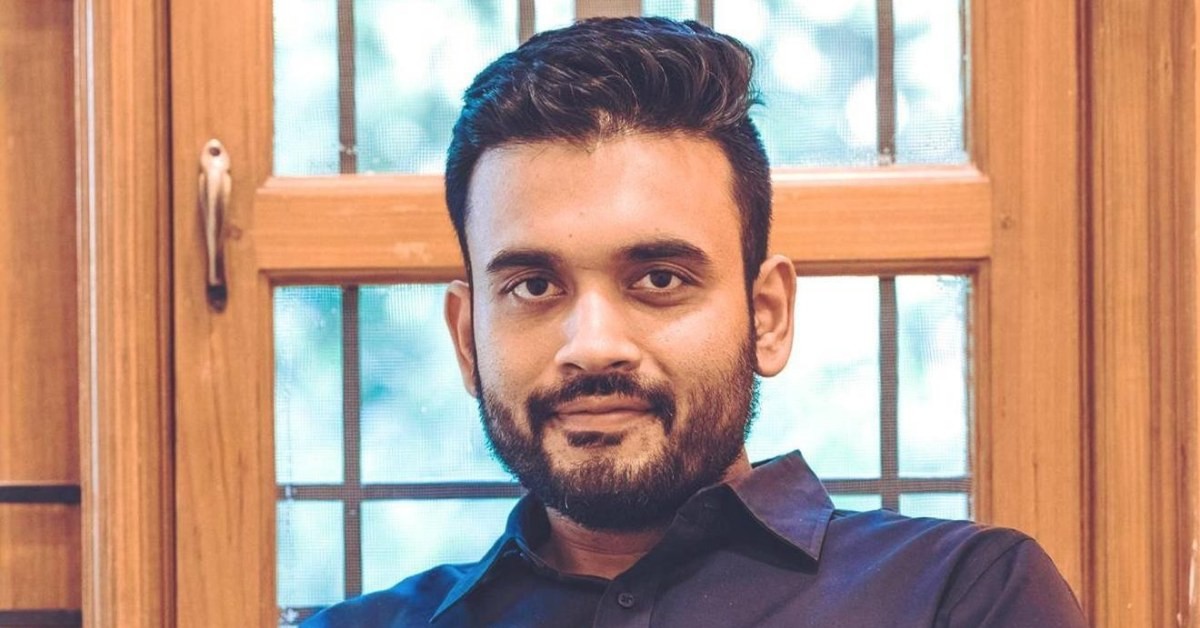
Ankit Nagori, co-founder and CEO of Curefoods · Image: Inc42
Independent report content
| COMPANY | Curefoods India Ltd, Bengaluru · founded 2020 by Ankit Nagori (ex-Flipkart; co-founder of Curefit) · EatFit spun out of Curefit |
|---|---|
| FOOTPRINT | 502 outlets in 70+ cities: 281 cloud kitchens, 122 restaurants, 99 kiosks, plus 5 central kitchens · 25+ brands |
| KEY BRANDS | Sharief Bhai, EatFit, CakeZone, Olio, Nomad Pizza, Frozen Bottle, Krispy Kreme (India franchise), Arambam |
| FY26 | Revenue ₹916.2 Cr (+23%) · EBITDA loss ~₹69.3 Cr (–7.6%) · Net loss ₹192.2 Cr (+13%) · Cash ₹39.4 Cr (–51%) |
| IPO | ₹800 Cr fresh issue + OFS of up to 4.85 Cr shares · DRHP Jun 2025 · SEBI approval Oct 2025 · paused Jun 2026 |
| WHY PAUSED | Institutions and mutual funds pushed back on a ~₹4,000 Cr valuation; volatile markets |
| LARGEST HOLDERS (DRHP) | Ankit Nagori 27.8% · 3State Ventures (Binny Bansal) 17.3% · Iron Pillar ~13.5% · Chiratae ~8.2% · Accel 7.2% |
| CHANNEL | 82.2% of FY25 revenue through Swiggy, Zomato and other aggregators |
| THE ACCESS POINT Curefoods is unlisted, and its IPO is on hold. Its shares trade only in private secondary transactions, settled into demat through its share registrar. If Curefoods lists, pre-IPO shares held by most non-promoter shareholders are locked in for six months from allotment. A buyer of unlisted shares today is committing capital until at least 2027–28. |
|---|
Executive decision summary
| THE BOTTOM LINE | Curefoods has built a 502-outlet, multi-brand food group through about 20 acquisitions and franchise deals since 2020. Revenue has more than doubled in three years, from ₹382 crore (FY23) to ₹916 crore (FY26). Losses fell sharply from ₹342 crore to about ₹170 crore, then rose again to ₹192 crore in FY26. The operating trend is genuinely better: material costs, employee costs and advertising all fell as a share of revenue, and EBITDA losses shrank from 11.5% to 7.6% of revenue. But the business still spends ₹1.23 for every rupee it earns. 82% of sales pass through delivery aggregators such as Swiggy and Zomato, and commission costs equal about 18% of revenue. Cash fell to ₹39 crore by March 2026. When mutual funds would not pay the ~₹4,000 crore valuation Curefoods sought, it paused the ₹800 crore IPO that was meant to fund its next phase. Its SEBI approval has since lapsed. |
|---|---|
| WHICH INVESTOR | Curefoods fits you IF you believe Indian multi-brand food delivery will consolidate, want exposure at a price that may reset lower than the ₹4,000 crore IPO ask, and can hold unlisted shares until a refiled IPO in 2027 or later. Avoid IF you need near-term liquidity, or are uncomfortable with a company whose cash has halved in a year and whose IPO is needed to repay ₹127 crore of debt. |
| COMFORT FIT | Curefoods = a food court that runs every stall itself. Biryani, pizza, healthy meals, cakes and doughnuts under one roof. The rent goes to the mall owner (Swiggy and Zomato) before it reaches the till. Rebel Foods = the bigger food court next door: twice the revenue, a smaller EBITDA loss margin, and nearly three times the cash. Jubilant FoodWorks (Domino's) = the department-store anchor. Listed, profitable, own delivery fleet. What a cloud-kitchen group could become if it controlled its own channel. Swiggy and Eternal (Zomato) = the mall owners. Listed, they collect commission on every Curefoods order. |
| THE RUPEIA NUMBER | ₹39.4 crore. That was Curefoods' cash and bank balance in March 2026, down 51% in a year, against an annual net loss of ₹192 crore. The IPO was designed to bring in ₹800 crore, including ₹127 crore to repay debt. With the IPO paused and the SEBI approval lapsed, how Curefoods funds the gap is now the central question for every shareholder. |
1 CLAIM REGISTER: EVIDENCE GRADING
A = regulator record or offer document. B = statutory financial statements (RoC filings). C = independent press. D = company statement.
| Claim | Source | Grade | Rupeia assessment |
|---|---|---|---|
| FY26 revenue ₹916.2 Cr; net loss ₹192.2 Cr; cash ₹39.4 Cr | Consolidated statements from RoC, via Entrackr (18 Sep 2026) | B | Established |
| FY23–FY25 revenue and losses | DRHP, via Inc42, MediaNama, Entrackr | A | Established |
| ₹800 Cr fresh issue + up to 4.85 Cr share OFS; SEBI approval Oct 2025 | DRHP; MediaNama | A | Established |
| 82.2% of FY25 revenue from aggregators | DRHP risk factors | A | Established |
| Attrition 111.73% (FY25); 5,641 permanent employees | DRHP risk factors | A | Established |
| IPO paused Jun 2026 amid volatility | Entrackr; Storyboard18; Outlook Money | C | Established |
| Institutions balked at ~₹4,000 Cr valuation | Whalesbook; MoneyFlow India | C | Reported reason |
| ₹160 Cr pre-IPO placement from 3State Ventures, Sep 2025 | Storyboard18 (citing Entrackr) | C | Reported; the DRHP had allowed for up to ₹160 Cr |
| ~20 acquisitions since 2020 | Tracxn (19); Business Standard (20th in two years, 2022) | C | Established in substance; counts differ by definition |
2 COMPANY OVERVIEW & FOUNDING STORY
Curefoods was founded in 2020 by Ankit Nagori, a former Flipkart executive and co-founder of Curefit. It began by spinning EatFit, Curefit's healthy-meals business, out into a separate company. CB Insights records that Nagori took a 70–80% stake in EatFit in exchange for a 7.6% stake in Curefit. Coverage of the IPO filing named Curefit Healthcare among the selling shareholders.
From that base, Curefoods built a multi-brand food company by acquiring and franchising brands. It now runs 25+ brands across biryani, pizza, healthy meals, desserts, South Indian food and doughnuts. It operates through cloud kitchens (delivery-only), restaurants, kiosks and central kitchens, with subsidiaries Cakezone Foodtech and Fan Hospitality Services. It is headquartered in Bengaluru and had 5,641 permanent employees at March 2025. In FY26, overseas revenue grew about fourfold to ₹22.85 crore; Inc42 linked earlier foreign revenue to Sharief Bhai's expansion in the UAE.
| Format | Count (DRHP / FY26 coverage) | Role |
|---|---|---|
| Cloud kitchens | 281 | Delivery-only, multi-brand production |
| Restaurants | 122 | Dine-in and takeaway |
| Kiosks | 99 | Small-format outlets, e.g. CakeZone, Krispy Kreme |
| Central kitchens | 5 | Bulk preparation and supply |
| Total outlets | 502 (+5 central) | 70+ cities |
3 THE FOUNDER: ANKIT NAGORI'S PATH
Before Flipkart, Ankit Nagori ran a social-media startup, YouthPad, which was wound down at the end of 2009. Nagori joined Flipkart in February 2010 as an early hire, after approaching its founders at a book fair. Within six years Nagori had risen to Chief Business Officer. Nagori left in 2016 and co-founded Curefit with Mukesh Bansal, the founder of Myntra. Around 2020 Nagori carved out the food business as Curefoods and has been its CEO since.
The Flipkart network is visible in the cap table. Binny Bansal, Flipkart co-founder and Nagori's former colleague, took part in Curefoods' US$62 million round led by Iron Pillar. Bansal's investment firm 3State Ventures is now the largest shareholder after Nagori (17.3%) and reportedly provided the ₹160 crore pre-IPO round. Inc42 named the round's other investors as Chiratae, Sixteenth Street Capital and Accel.
| Period | Role | What it brought to Curefoods |
|---|---|---|
| 2007–2009 | Founder, YouthPad (social media startup) | First-hand experience of a failed startup |
| 2010–2016 | Flipkart: early hire to Chief Business Officer | Scale operations; the Flipkart network (Binny Bansal) |
| 2016–2020 | Co-founder, Curefit (with Mukesh Bansal) | EatFit, the brand that seeded Curefoods |
| 2020–present | Founder & CEO, Curefoods | 27.8% stake; ₹3 Cr fixed pay plus up to 20% variable |
| RUPEIA READ A podcast with The Ken carried Nagori's line on "why healthy food will never win on a Friday night". The financials show the same thing. EatFit, the healthy brand Curefoods started with, shrank 13% in FY25, while pizza grew 95% and biryani became the largest brand. The founder has steered the company towards indulgent categories where demand is larger, a pragmatic call. That Flipkart network has supplied the capital to do it. |
|---|
4 TIMELINE: 2020–2026
| Date | Milestone |
|---|---|
| 2020 | Curefoods founded by Ankit Nagori; EatFit spun out of Curefit |
| Oct 2021 | Acquires MasalaBox, Paratha Box, CakeZone, Ammi's Biryani, Olio, Crusto's, Chaat Street and Nomad Pizza; franchise rights for YumLane, Aligarh House and Sharief Bhai |
| Jan 2022 | Acquires Maverix |
| Mar 2022 | Majority stake in Frozen Bottle (milkshakes); Business Standard counted it the 20th acquisition in two years |
| 2024 | Krispy Kreme India franchise acquired from Citymax (Landmark Group) under a master franchise agreement |
| Jun 2025 | DRHP filed: ₹800 Cr fresh issue + OFS of up to 4.85 Cr shares; FY25 revenue ₹745.8 Cr |
| Sep 2025 | ₹160 Cr pre-IPO placement from 3State Ventures (Binny Bansal's investment arm) |
| Oct 2025 | SEBI approval (observation letter) received |
| Jun 2026 | IPO paused amid market volatility and valuation pushback |
| 18 Sep 2026 | FY26 results: revenue ₹916.2 Cr, net loss ₹192.2 Cr |
| Sep–Oct 2026 | SEBI observation letter validity runs out; a listing now needs a fresh filing |
5 THE ACQUISITION ROLL-UP: HOW THE PORTFOLIO WAS BUILT
Curefoods was built like a brand aggregator: buy or franchise promising food brands, put them into shared kitchens, and grow them through delivery apps. Inc42 compared the model to Thrasio, the US brand roll-up. Tracxn counts 19 acquisitions: 13 in 2021, 4 in 2022 and 1 in 2024. Business Standard reported in 2022 that Frozen Bottle was the 20th acquisition in two years.
| Brand | Category | How it joined | When |
|---|---|---|---|
| EatFit | Healthy meals | Spun out of Curefit | 2020 |
| CakeZone | Cakes and desserts | Acquired | Oct 2021 |
| Olio | Pizza | Acquired | Oct 2021 |
| Nomad Pizza | Pizza (founded in Delhi, 2019) | Acquired | Oct 2021 |
| Ammi's Biryani; MasalaBox; Paratha Box; Crusto's; Chaat Street | Indian meals and snacks | Acquired | Oct 2021 |
| Sharief Bhai | Biryani | Exclusive franchise rights / business transfer | 2021–22 |
| YumLane; Aligarh House | Pizza; Mughlai | Exclusive franchise rights | 2021–22 |
| Maverix | Food brand | Acquired | Jan 2022 |
| Frozen Bottle | Milkshakes and desserts | Majority stake | Mar 2022 |
| Krispy Kreme (India) | Doughnuts | Master franchise from Citymax (Landmark Group) | 2024 |
| Ovenfresh | Bakery | Business transfer / franchise | — |
| Munchbox | Food brand | Planned acquisition, ₹79.84 Cr from IPO proceeds | Pending |
| RUPEIA READ The roll-up worked on the revenue line, with 2.4x growth from FY23 to FY26. Its legacy shows up in the accounts. Depreciation and amortisation reached ₹100.6 crore in FY26, part of the gap between EBITDA loss (₹69 crore) and net loss (₹192 crore). The IPO plan also carried acquisition-related obligations: ₹79.84 crore for Munchbox, ₹2.5 crore of deferred consideration for Jaika, and ₹11.35 crore for Cakezone Foodtech, including additional shareholding. Pausing the IPO pauses the funding for these. |
|---|
6 BRAND & CATEGORY ECONOMICS
| Category (FY25) | Revenue | Growth | Share of revenue (Rupeia calculation) |
|---|---|---|---|
| Desserts | ₹196 Cr | +18% | 26% |
| Pizza | ₹183 Cr | +95% | 25% |
| Indian meals | ₹178 Cr | — | 24% |
| Healthy meals | ₹176 Cr | –13% | 24% |
| Top brands (FY25) | Revenue | Share of ₹745.8 Cr |
|---|---|---|
| Sharief Bhai (biryani) | ₹148 Cr | 19.8% |
| EatFit (healthy meals) | ₹145 Cr | 19.4% |
| CakeZone (cakes) | ₹102 Cr | 13.7% |
| Krispy Kreme (India) | ₹15 Cr (first year after acquiring franchise rights) | 2.0% |
Ten key brands each earned more than ₹24 crore in FY25 and together made up more than 98% of revenue. The DRHP describes a portfolio with no single brand dominating. Average daily sales rose to ₹2 crore in FY25 from ₹1.5 crore in FY24.
| RUPEIA READ The category numbers carry two signals. Pizza (+95%) is the growth engine, through its pizza brands Olio and Nomad. Healthy meals (–13%), where EatFit and the company began, are shrinking. A company founded on healthy food is now growing on pizza and biryani. That is commercially sensible, but it weakens the "healthy food" brand story that once set Curefoods apart from Rebel Foods. |
|---|
7 THE BRANDS IN DETAIL
| Brand | Category | Origin | Published detail |
|---|---|---|---|
| Sharief Bhai | Biryani | Franchise rights (2021), integrated via business transfer | Largest brand: ₹148 Cr FY25 revenue; foreign revenue linked to its UAE expansion |
| EatFit | Healthy meals | Spun out of Curefit (2020) | ₹145 Cr FY25 revenue; healthy-meals category –13% |
| CakeZone | Cakes and desserts | Acquired (Oct 2021); runs as subsidiary Cakezone Foodtech | ₹102 Cr FY25 revenue; IPO plan earmarked ₹11.35 Cr |
| Olio | Pizza | Acquired (Oct 2021) | Part of pizza category, which grew 95% in FY25 |
| Nomad Pizza | Pizza | Founded in Delhi in 2019 by Amit Ajwani; acquired Oct 2021 | Part of pizza category |
| Frozen Bottle | Milkshakes and desserts | Majority stake, Mar 2022 | Business Standard reported the deal at a ~US$6m valuation |
| Krispy Kreme (India) | Doughnuts | Master franchise from Citymax (Landmark Group) | ₹15 Cr FY25 revenue in its first year; "Krispy Kreme Theatres" in IPO expansion plan |
| Arambam | South Indian | Curefoods brand | Listed in FY26 portfolio |
| MasalaBox, Paratha Box, Ammi's Biryani, Crusto's, Chaat Street | Indian meals and snacks | Acquired Oct 2021 | Part of Indian-meals category (₹178 Cr FY25) |
The three largest brands, Sharief Bhai, EatFit and CakeZone, made up about 53% of FY25 revenue. They sit in three different categories (biryani, healthy meals, cakes), which diversifies demand across meal occasions. Lunch, dinner, celebrations and snacking are each served by a different brand from the same kitchens.
8 FINANCIAL FORENSICS: FOUR YEARS OF ACCOUNTS
| ₹ crore | FY23 | FY24 | FY25 | FY26 |
|---|---|---|---|---|
| Revenue from operations | 382.0 | 585.1 | 745.8 | 916.2 |
| Growth | — | +53% | +27% | +23% |
| Cost of materials | — | 229.6 | 273.3 | 310.4 |
| Employee benefits | — | 148.2 | 179.8 | 213.9 (incl. ₹33 Cr ESOP) |
| Commission (aggregators) | — | 109.2 | 137.0 | 166.8 |
| Advertising and promotion | — | 52.8 | 87.4 | 79.0 |
| Depreciation and amortisation | — | — | ~81 | 100.6 |
| Total expenditure | — | 806.9 | 944.2 | 1,127.0 |
| EBITDA loss | — | — | 86.0 | ~69.3 |
| Net loss | 342 | 172.6 | 169.9 | 192.2 |
| Cash and bank (year-end) | — | — | 80 | 39.4 |
Cost structure as a share of revenue (Rupeia calculation)
| % of revenue | FY24 | FY25 | FY26 | Trend |
|---|---|---|---|---|
| Materials | 39.2% | 36.6% | 33.9% | Improving: –5.3 pts in two years |
| Employee costs | 25.3% | 24.1% | 23.3% | Improving |
| Aggregator commission | 18.7% | 18.4% | 18.2% | Flat: structural cost |
| Advertising | 9.0% | 11.7% | 8.6% | Cut in FY26 |
| Net loss | 29.5% | 22.8% | 21.0% | Improving slowly |
| Spend per ₹1 of revenue | — | ₹1.27 | ₹1.23 | Still above ₹1 |
| RUPEIA READ The operating machine is getting better. Food costs fell more than 5 percentage points of revenue in two years, which is the benefit of scale and central kitchens. Employee costs and advertising also fell as a share of revenue. The aggregator commission line has not moved: it stays at about 18% of revenue every year. Below EBITDA, depreciation is rising (+24% in FY26) as new kitchens and acquired brands are amortised. That is why net loss rose in FY26 even as EBITDA loss narrowed. The path to profit needs either a lower commission share (more dine-in and own-channel sales) or slower capex. |
|---|
9 CHANNEL DEPENDENCE: THE AGGREGATOR QUESTION
In FY25, 82.2% of Curefoods' revenue came through delivery aggregators such as Swiggy and Zomato, down slightly from 85–86% in earlier years. The DRHP lists aggregator policy changes, algorithm changes, commission increases and delivery disruptions as risks that could directly hit order volumes, margins and customer reach.
| Measure | FY25 | FY26 | Rupeia calculation |
|---|---|---|---|
| Commission paid | ₹137.0 Cr | ₹166.8 Cr | ~18% of revenue both years |
| Revenue per outlet (502 outlets) | ~₹1.49 Cr | ~₹1.83 Cr | About ₹50,000 a day per outlet in FY26 |
| Average daily sales | ₹2.0 Cr | ~₹2.5 Cr | FY26 = ₹916.2 Cr ÷ 365 |
| RUPEIA READ Curefoods pays more in aggregator commission (₹166.8 crore) than it lost at EBITDA level (₹69.3 crore). Commission equalled about 22% of aggregator-channel sales in FY25 (₹137 crore on 82.2% of ₹745.8 crore). Moving 10 percentage points of revenue from aggregators to its own restaurants and kiosks would, other things equal, save roughly ₹16–20 crore of commission a year. The 122 restaurants and 99 kiosks, along with Krispy Kreme's "theatre" stores in the IPO plan, are the lever. Their share of revenue is the metric to watch. |
|---|
10 THE PATH TO EBITDA BREAK-EVEN: WHAT THE NUMBERS REQUIRE
Institutions told Curefoods to come back with profits. On FY26 numbers, EBITDA break-even needs about ₹69 crore of improvement, roughly 7.6 percentage points of revenue. Using the cost lines Curefoods has published, Rupeia sets out one way the gap could close at FY26 revenue. This illustrates the arithmetic; it is not a forecast.
| Lever | FY26 level | Improvement assumed | Value at FY26 revenue (₹916 Cr) |
|---|---|---|---|
| Materials | 33.9% of revenue | –2 pts (continuing the FY24–26 trend of –2.6 pts a year) | ~₹18 Cr |
| Aggregator commission | 18.2% | –1 pt (more dine-in, kiosk and own-channel sales) | ~₹9 Cr |
| Employee costs | 23.3% | –1.5 pts (scale; ESOP expense flat) | ~₹14 Cr |
| Advertising | 8.6% | –1 pt | ~₹9 Cr |
| Rent, power and other overheads | 28.0% (₹256.3 Cr) | –2 pts (operating leverage as revenue grows) | ~₹18 Cr |
| Total | — | –7.5 pts | ~₹68 Cr |
| RUPEIA READ Break-even is reachable without heroic assumptions. Curefoods has already improved materials by 5.3 points in two years and cut advertising in FY26. Each lever on its own is modest; together they need a full year of disciplined execution while revenue keeps growing about 20%. EBITDA break-even still leaves depreciation (₹100.6 crore) and interest uncovered, so net profit is further away. Institutions will look for EBITDA break-even and a credible path to net profit before buying a refiled IPO. |
|---|
11 BALANCE SHEET & CASH: THE FUNDING GAP
| Measure | March 2025 | March 2026 | Change |
|---|---|---|---|
| Cash and bank balance | ₹80 Cr | ₹39.4 Cr | –51% |
| Current assets | ₹339 Cr | ₹267.7 Cr | –21% |
| Net loss for the year | ₹169.9 Cr | ₹192.2 Cr | +13% |
| Operating cash flow | Negative FY23, FY24, FY25 (DRHP) | — | — |
Cash halved in FY26, even though the ₹160 crore pre-IPO placement from 3State Ventures was reported in September 2025, within that year. The IPO plan earmarked ₹126.93 crore to repay or prepay borrowings and ₹40 crore for lease payments on existing properties. Both now have to be met from operations or private capital.
| RUPEIA READ This is the most important section for a buyer of Curefoods shares. A company losing ₹192 crore a year with ₹39 crore of cash is relying on outside capital or a sharp move to profitability. Reports after the pause said Curefoods is prioritising profitability and margin improvement. The FY26 cuts in advertising and the falling cost ratios fit that. Unless a funding round is announced, the balance sheet suggests the next capital event will be a private round, possibly at a lower valuation than the IPO ask. That would reprice unlisted shares. |
|---|
12 WHO OWNS CUREFOODS: THE PRE-IPO CAP TABLE
| Shareholder | Stake (DRHP) | Type |
|---|---|---|
| Ankit Nagori | 27.80% | Founder and promoter |
| 3State Ventures Pte Ltd | 17.32% | Investment arm of Flipkart co-founder Binny Bansal |
| Iron Pillar (Fund II 5.90%; PCC cells 4.06% and 1.92%; India Fund II 1.65%) | ~13.53% | Growth VC |
| Chiratae (Growth Fund I 3.11%; India Fund IV 2.91%; Master Fund IV 2.21%) | ~8.23% | VC |
| Accel India V (Mauritius) | 7.17% | VC |
| Crimson Winter Ltd | 4.08% | Investor |
| Sixteenth Street Asian Gems Fund | 3.88% | Fund |
| Curefoods India Welfare Trust | 2.22% | Employee trust |
| Global eCommerce Consolidation Fund, L.P. | 1.65% | Fund |
| RB Investments Pte Ltd | 1.34% | Investor |
| Zephyr Peacock India Growth Fund | 1.05% | Fund |
Named selling shareholders in the OFS were Iron Pillar PCC (Cells C and E), Crimson Winter, Accel India V (Mauritius), Chiratae Ventures India Fund IV and Chiratae Ventures Master Fund IV. Earlier coverage also listed Nordstar Partners, Alteria Capital and Curefit Healthcare. Trackers put total funding raised at about US$175–255 million, with valuation rising from about US$280 million in early 2022 to about US$450 million by 2024–25.
| RUPEIA READ 3State Ventures is the decisive shareholder. With 17.3% before the IPO, and reported as the ₹160 crore pre-IPO investor, Binny Bansal's vehicle has increased its bet as others prepared to sell. In a funding gap, the second-largest shareholder with fresh conviction is the most likely source of the next cheque. The early VCs (Accel, Chiratae, Iron Pillar) planned to sell in the OFS, and the pause leaves them still holding. |
|---|
13 FUNDING HISTORY & INVESTOR BEHAVIOUR
| Round | Date | Amount | Investors (published) |
|---|---|---|---|
| Seed and Series A (combined) | 2020–2021 | ~US$20m in total | Including the round below |
| Series A | Aug 2021 | US$13m (~₹96.4 Cr) | Iron Pillar (lead), Nordstar, Binny Bansal |
| Growth round | Jan 2022 | US$62m: US$52m equity + US$10m debt | Equity: Iron Pillar, Chiratae, Sixteenth Street Capital, Accel, Binny Bansal · Debt: Alteria Capital, BlackSoil, Trifecta |
| Growth round | Subsequent | ~US$37m (₹300 Cr) | 3State Ventures (lead), with Iron Pillar and Chiratae |
| Pre-IPO placement | Sep 2025 | ₹160 Cr | 3State Ventures |
3State Ventures led the last two rounds. Binny Bansal moved from angel investor (2021–22) to lead investor (₹300 crore round) to pre-IPO investor (₹160 crore). It is now the second-largest shareholder at 17.3%. No other shareholder has increased its commitment as steadily.
Iron Pillar led the early growth. It led the US$13 million Series A and the US$62 million round. Across four vehicles it holds about 13.5%, and it was a named seller in the IPO.
Venture debt from 2022. Alteria Capital, BlackSoil and Trifecta lent US$10 million in the 2022 round. The IPO plan's ₹126.93 crore for debt repayment shows borrowing has grown since.
Valuation path (trackers): about US$280 million in early 2022 to about US$450 million by 2024–25. That is a much slower rise than revenue (which more than doubled), meaning investors were already pricing in losses before the IPO.
| RUPEIA READ The cap table has split into two camps. Early VCs (Iron Pillar, Chiratae, Accel) want liquidity and lined up to sell in the IPO. The Flipkart-linked founder group (Nagori at 27.8%, 3State at 17.3%) has kept buying. Together they hold 45%. If the next round is a bridge, the Nagori–Bansal camp is the natural lead, and the early VCs may have to accept a lower price to exit through secondaries. |
|---|
14 THE IPO: STRUCTURE, PROCEEDS AND WHY IT PAUSED
| Feature | Detail |
|---|---|
| Fresh issue | ₹800 Cr (reduced proportionally by any pre-IPO placement up to ₹160 Cr) |
| Offer for sale | Up to 4.85 Cr equity shares |
| Book-running lead managers | JM Financial, IIFL Capital Services, Nuvama Wealth Management |
| Registrar | KFin Technologies |
| DRHP filed | June 2025 |
| SEBI approval | October 2025 |
| Status | Paused June 2026; observation letter validity has run out; refiling needed |
| Use of fresh-issue proceeds (DRHP) | ₹ crore |
|---|---|
| Capacity expansion: new sites (₹126.32), brand-led expansion (₹19.91), equipment (₹6.31) | 152.54 |
| Repay or prepay borrowings | 126.93 |
| Investment in Fan Hospitality (central kitchen and outlets) | 91.96 |
| Acquisitions of subsidiaries, including Munchbox (₹79.84) | 90+ |
| Lease payments for existing properties | 40.00 |
| Sales and marketing | 14.00 |
| Cakezone Foodtech (additional shareholding ₹5.35; marketing ₹6) | 11.35 |
| Jaika deferred consideration | 2.50 |
| General corporate purposes | Up to 25% of gross proceeds |
Why the IPO was paused
Valuation: domestic mutual funds and institutional investors reportedly balked at the targeted market capitalisation of about ₹4,000 crore during roadshows.
Market conditions: the company cited volatile markets and weak sentiment. Flipkart and PhonePe deferred their IPOs in the same period.
Strategy: post-pause reports said Curefoods is prioritising sustainable profitability and margin improvement, and deferring a listing to at least 2027.
Approval timing: reports in June 2026 noted the observation letter stayed valid through September 2026. With that window closed, a listing requires a fresh filing with updated financials.
15 MARKET CONTEXT: THE 2026 IPO WINDOW
Curefoods was not alone. Flipkart and PhonePe, two of India's most valuable private companies, also deferred their listings in 2026, citing volatility and valuation expectations.
Private capital stayed active. PE and VC investment in India reached US$17.1 billion in Q3 2026, up 46%. Money was available, but private and public investors were pricing loss-making consumer companies differently.
Listed peers were judged on profit. Jubilant FoodWorks' profit doubled and Devyani's loss widened in FY26, and the market responded accordingly (see the listed benchmarks section).
What it means for Curefoods: the IPO window did not close. It narrowed to companies that could show profit. Curefoods' FY26 improvement in EBITDA, with net loss still widening, put it just outside.
16 VALUATION ANALYSIS
| Basis | Value | Rupeia calculation |
|---|---|---|
| IPO valuation ask (reported) | ~₹4,000 Cr | — |
| On FY25 revenue (₹745.8 Cr) | — | 5.4x |
| On FY26 revenue (₹916.2 Cr) | — | 4.4x |
| Tracker valuations | ~US$280m (2022) to ~US$450m (2024–25) | In line with the IPO ask |
| RUPEIA READ Curefoods did not get its valuation because public investors price Indian food companies on profit, and Curefoods has none. A valuation of 4.4 times FY26 revenue is not extreme for a company growing 23%. But with net losses equal to 21% of revenue and cash of ₹39 crore, institutions had leverage in the negotiation. A refiled IPO will most likely need either a lower valuation or a year of EBITDA-positive results to justify ₹4,000 crore. |
|---|
17 PEER COMPARISON: CUREFOODS VS REBEL FOODS (FY26)
| Metric (FY26) | Curefoods | Rebel Foods | Read |
|---|---|---|---|
| Revenue from operations | ₹916.2 Cr (+23%) | ₹1,951.6 Cr (+21%) | Rebel ~2.1x larger; similar growth |
| EBITDA loss | ~₹69.3 Cr | ₹105.7 Cr | — |
| EBITDA margin | –7.6% | –5.4% | Rebel closer to break-even |
| Net loss | ₹192.2 Cr (+13%) | ₹281.8 Cr (–16%) | Rebel's loss falling; Curefoods' rising |
| Net loss / revenue | 21.0% | 14.4% | Rebel more efficient |
| Cash and bank | ₹39.4 Cr (–51%) | ₹112 Cr (~2x) | Rebel's cash rising; Curefoods' falling |
| International revenue | ₹22.85 Cr (~4x growth) | ₹283.8 Cr (+39%); India 85.5% | Rebel far more global |
| Listing status | IPO approved, then paused | Reportedly eyeing an Indian listing | Both private |
| RUPEIA READ On every efficiency measure, Rebel Foods is a year or two ahead. Its losses are falling while Curefoods' rose. Its cash doubled while Curefoods' halved. Its EBITDA margin is closer to break-even. Any public investor will compare the two. When both are in the market, Curefoods will be priced as the smaller, less profitable cloud-kitchen group, unless FY27 closes the gap. |
|---|
18 LISTED BENCHMARKS: WHAT PUBLIC INVESTORS REWARDED IN FY26
The best guide to how public markets would price Curefoods is how they priced listed Indian food-service companies in FY26.
| Company (FY26) | Revenue | Profit / loss | Market reaction (published) |
|---|---|---|---|
| Jubilant FoodWorks (Domino's, Popeyes) | ₹9,512.5 Cr (+17.4%); 3,636 stores globally | Net profit ₹444.2 Cr (+105%) | Profit growth drove the results coverage |
| Devyani International (KFC, Pizza Hut; majority owner of Biryani By Kilo) | Q4 revenue ₹1,436.9 Cr (+18.5%) | Full-year net loss widened to ₹42.5 Cr (from ₹6.9 Cr) | Stock fell more than 32%, as reported |
| Biryani By Kilo (Devyani) | Added 13 net stores in Q3 FY26 | Reached EBITDA break-even in Q3 FY26, ahead of target | — |
| Curefoods (unlisted) | ₹916.2 Cr (+23%) | Net loss ₹192.2 Cr (+13%) | IPO paused after valuation pushback |
| RUPEIA READ FY26 gave a clear message. A listed company whose profit doubled (Jubilant) was rewarded; one whose annual loss widened (Devyani) saw its stock fall by about a third. Curefoods tried to list with a widening net loss into that market. The institutions' response in June 2026 was consistent with how they were treating listed peers. Biryani By Kilo's EBITDA break-even inside Devyani also matters. It is a direct competitor to Sharief Bhai, now owned by a listed group with the capital to expand. |
|---|
19 PEOPLE & GOVERNANCE
| Measure | Figure (DRHP / filings) | Read |
|---|---|---|
| Permanent employees | 5,641 (Mar 2025) | Large, kitchen-heavy workforce |
| Attrition of permanent employees | 116.59% (FY23), 127.69% (FY24), 111.73% (FY25) | The workforce turns over more than once a year |
| ESOP expense | ₹33 Cr (FY26) | Non-cash, but adds to the reported loss |
| Founder remuneration | ₹3 Cr fixed + variable up to 20% | Disclosed in DRHP |
| Employee welfare trust holding | 2.22% | Employee ownership pool |
| RUPEIA READ Attrition above 100% a year is the hidden operating cost of Indian food service. Every kitchen loses and retrains its whole team within a year, which affects consistency, food safety and labour cost. It is common in the sector, but it is a reason why scaling multiple brands across 70+ cities is harder than the revenue line suggests. |
|---|
20 RISK ANALYSIS: RED FLAG LEDGER & KILL CONDITIONS
| Red flag | Evidence | Severity | Kill condition | What would resolve it |
|---|---|---|---|---|
| Liquidity | Cash ₹39.4 Cr (–51%); net loss ₹192 Cr | HIGH | No new capital in FY27 | Private round, e.g. from 3State, or EBITDA break-even |
| IPO lapse | SEBI approval window closed; refiling needed | MEDIUM | No refiling by 2027 | Fresh DRHP with FY26–27 numbers |
| Aggregator dependence | 82.2% of revenue; ~18% commission | MEDIUM | Commission increase or algorithm change | Higher dine-in and own-channel share |
| Rising net loss | ₹169.9 Cr → ₹192.2 Cr | MEDIUM | Further rise in FY27 | D&A growth slows; EBITDA turns positive |
| Valuation reset | Institutions rejected ~₹4,000 Cr | MEDIUM | Next round below ₹4,000 Cr | Profit-backed refiling |
| Workforce churn | Attrition 111–128% a year | LOW-MED | Quality or food-safety incidents | Central-kitchen model reduces dependence on outlet staff |
| Core-brand decline | Healthy meals –13% in FY25 | LOW-MED | EatFit keeps shrinking | Pizza and biryani growth offsets it |
21 SCENARIO ANALYSIS: THE ROAD BACK TO AN IPO
| Scenario | What happens | Implication for shareholders |
|---|---|---|
| Bull | EBITDA break-even in FY27; private round at or near ₹4,000 Cr; refiled IPO in 2027–28 | Unlisted shares re-rate towards the IPO ask |
| Base | EBITDA loss keeps narrowing; bridge funding from existing investors; IPO in 2028 | Flat valuation; long wait |
| Bear | Cash runs low; down-round or asset sales; IPO deferred indefinitely | Unlisted shares reprice well below ₹4,000 Cr |
22 UNLISTED-SHARE MATHS: WHAT A BUYER NEEDS AT IPO
A buyer of unlisted Curefoods shares today faces at least three years before they can sell on an exchange. That covers about two years to refile and list, plus the six-month lock-in, with a margin for delay. Rupeia calculates the IPO valuation needed for different annual returns over three years, at two entry valuations.
| Entry valuation | Break-even (0% a year) | 12% a year | 18% a year | 25% a year |
|---|---|---|---|---|
| ₹4,000 Cr (the rejected IPO ask) | ₹4,000 Cr | ₹5,620 Cr | ₹6,570 Cr | ₹7,810 Cr |
| ₹3,000 Cr (a 25% reset) | ₹3,000 Cr | ₹4,210 Cr | ₹4,930 Cr | ₹5,860 Cr |
Figures are company equity values at listing, before any new shares issued in the IPO (which would dilute existing holders). For context, ₹5,620 crore is about 6.1x FY26 revenue. Curefoods would need to grow into that multiple with profits for an IPO to support it.
| RUPEIA CALCULATION At the ₹4,000 crore ask, a buyer needs Curefoods to list at about ₹5,600 crore or more to earn 12% a year over three years. That is about 40% above the valuation institutions already declined. At a ₹3,000 crore entry, the same 12% needs a listing at about ₹4,200 crore, close to the original ask. Entry price is the single biggest driver of an unlisted buyer's outcome here, and the evidence points to the next funding round setting a lower one. |
|---|
23 INVESTOR CLASS ANALYSIS
For HNIs buying unlisted shares
Where Curefoods shares are offered in India's unlisted market, buyers should benchmark any quoted price against the ~₹4,000 crore IPO ask that institutions rejected, and plan to hold for at least two to three years. That covers the time to refile, list, and then serve the six-month lock-in on pre-IPO shares. Transfers settle into the buyer's demat account through the company's share registrar.
For family offices
If Curefoods raises a private bridge round, family offices may be able to invest at a negotiated price, which is likely below the IPO ask. That is a better entry point than secondary purchases at IPO-era prices. Due diligence should focus on cash runway, the aggregator share of revenue and the debt being refinanced.
For institutions
Institutions set the price in June 2026 by declining the valuation. The relevant question is the price at which a profit-path story becomes investable, and the FY27 numbers will answer it.
For NRIs
NRIs can buy unlisted Indian shares subject to FEMA pricing and reporting rules. Repatriation depends on whether the purchase is made through an NRE or NRO account.
24 COMFORT FIT: THE DECISION PAGE
| If you want… | Best fit | Why | Caution |
|---|---|---|---|
| A turnaround bet on Indian multi-brand food | CUREFOODS (at a reset price) | Improving cost ratios; strong brands; 23% growth | Cash ₹39 Cr; IPO paused |
| The scale leader in cloud kitchens | REBEL FOODS (when available) | 2x revenue, lower loss ratio, more cash | Also private |
| Listed food service | JUBILANT, DEVYANI, SAPPHIRE | Listed, liquid quick-service restaurant operators | Different model; mature growth |
| The platform, not the kitchens | SWIGGY / ETERNAL | Collect ~18% commission from brands like Curefoods | Own competitive risks |
25 THE EARLY SIGNAL: EVENTS TO WATCH
| When | Event | Why it matters |
|---|---|---|
| Next 6 months | Any private funding round or debt raise | Funds the gap and sets the new valuation |
| FY27 quarters | EBITDA break-even | The milestone institutions want before an IPO |
| 2027 | Fresh DRHP filing | Restarts the IPO process |
| Ongoing | Aggregator share of revenue | Below 80% would show the channel shift is working |
| Ongoing | Krispy Kreme and dine-in expansion | Higher-margin, own-channel revenue |
26 RUPEIA FINAL INDEPENDENT VIEW
Curefoods is a better business than its paused IPO suggests, and a weaker one than its brand list suggests. The operations are improving. Food costs, staff costs and advertising all fell as a share of revenue, and EBITDA losses are shrinking. Revenue more than doubled in three years. But the structure is unforgiving. Aggregators take 18% of every rupee, acquired brands and new kitchens carry heavy depreciation, and the workforce turns over every year. Most immediately, cash fell to ₹39 crore in a year when the company lost ₹192 crore.
The June 2026 pause was the market telling Curefoods to come back with profits. The next 12 months will show whether it can, and on what terms it funds the wait.
| THE RUPEIA NUMBER ₹39.4 crore of cash in March 2026, down 51%, against a ₹192 crore annual loss. The IPO meant to fix that is on hold. |
|---|
| RUPEIA VERDICT Operationally improving, financially stretched, priced for an IPO that did not happen. For unlisted-share buyers: do not pay IPO-era prices. Wait for the next funding round to reset the valuation. For long-term investors: the turnaround is real but unfinished. FY27 EBITDA break-even is the milestone that would make Curefoods listable again. |
|---|
Frequently asked questions
Why was the Curefoods IPO paused?
Curefoods paused its ₹800 crore IPO in June 2026. Volatile markets and pushback from mutual funds and institutions on its ~₹4,000 crore valuation were cited. It says it is prioritising profitability and plans to revisit a listing from 2027.
Is Curefoods' SEBI approval still valid?
No. SEBI approved the IPO in October 2025. Reports said the observation letter stayed valid through September 2026, so a listing now needs a fresh filing.
What was Curefoods' revenue in FY26?
₹916.2 crore, up 23% from ₹745.8 crore in FY25.
Is Curefoods profitable?
No. FY26 net loss was ₹192.2 crore and EBITDA loss about ₹69.3 crore (–7.6% of revenue).
Who owns Curefoods?
Before the IPO, founder Ankit Nagori held 27.8%, Binny Bansal's 3State Ventures 17.3%, Iron Pillar funds about 13.5%, Chiratae funds about 8.2% and Accel 7.2%, among others.
What brands does Curefoods own?
EatFit, Sharief Bhai, CakeZone, Olio, Nomad Pizza, Frozen Bottle, Arambam and others. It runs Krispy Kreme in India as a franchisee. Its largest FY25 brands were Sharief Bhai (₹148 crore), EatFit (₹145 crore) and CakeZone (₹102 crore).
How many outlets does Curefoods have?
502 outlets across 70+ cities: 281 cloud kitchens, 122 restaurants and 99 kiosks, plus 5 central kitchens.
How dependent is Curefoods on Swiggy and Zomato?
82.2% of FY25 revenue came through delivery aggregators. Commissions were ₹166.8 crore in FY26, about 18% of revenue.
How does Curefoods compare with Rebel Foods?
In FY26, Rebel Foods had about twice the revenue (₹1,951.6 crore), a lower EBITDA loss margin (–5.4%), a shrinking net loss and about ₹112 crore of cash.
Can I buy Curefoods unlisted shares?
Yes, through private secondary transactions, settled into demat via the registrar. After any IPO, pre-IPO shares held by most non-promoter shareholders are locked in for six months.
Source log
Entrackr: Curefoods reports ₹916 Cr revenue and ₹192 Cr loss in FY26
Entrackr: Curefoods posts ₹746 Cr revenue in FY25
Inc42: IPO-bound Curefoods' FY25 loss almost flat at ₹170 Cr
MediaNama: EatFit owner Curefoods gets SEBI approval for ₹800 Cr IPO (DRHP details)
Storyboard18: Curefoods puts IPO plans on hold amid market volatility
Outlook Money: Curefoods delays IPO, joining Flipkart and PhonePe
Whalesbook: Curefoods shelves IPO, valuation clash
MoneyFlow India: Curefoods halts IPO
Inc42: Curefoods acquires five food brands (2021)
Business Standard: Curefoods acquires Frozen Bottle (2022)
Tracxn: Acquisitions by Curefoods
Curefoods: FAQ (brand portfolio)
Indian Startup News: Curefoods files DRHP with SEBI
Entrackr: Rebel Foods reports ₹1,952 Cr revenue in FY26
Inc42: Rebel Foods cuts FY26 loss by 16%
CB Insights: Curefoods
Multiples: Curefoods valuation and funding
Business Today: How Ankit Nagori turned Curefoods into a formidable brand
Entrepreneur India: Ankit Nagori, the digital foodpreneur
The Ken (First Principles): Ankit Nagori on building India's house of food brands
Inc42: Ankit Nagori's Curefoods bags $62 Mn
YourStory: Ankit Nagori, founder of Curefoods
Indian Retailer: Jubilant FoodWorks FY26 profit jumps 105%
ScanX: Jubilant FoodWorks FY26 annual report, revenue up 17.4%, 3,636 stores
Whalesbook: Devyani revenue jumps, annual loss widens; stock tumbles over 32%
Investywise: Devyani International Q3 FY2026 results (Biryani By Kilo break-even)
NewsBytes: India PE and VC reach $17.1B in Q3 2026
YourStory: Curefoods raises $13M from Iron Pillar, Nordstar and Binny Bansal (Aug 2021)
Business Standard: Curefoods raises $62 mn from Iron Pillar, Chiratae, Accel (Jan 2022)
Restaurant India: Curefoods raises $62Mn (equity and debt details)
Inc42: Curefoods raises ₹300 Cr, debuts offline segment
| DISCLAIMER This document is published strictly for informational, educational and academic record-keeping purposes. The publisher is not a SEBI Registered Investment Adviser (RIA) or Research Analyst (RA). It does not constitute personal investment advice, a financial recommendation, or an offer or solicitation to buy, sell or subscribe to any securities. Investments in the securities market are subject to market risks. Read all related documents carefully before investing. |
|---|