Licious: last valued at US$1.5bn
Independent report content
| IPO STATUS | Earlier targeted 2026 at about US$2bn; now reported as deferred to 2027–28 with a focus on profitability |
|---|---|
| LAST VALUATION | US$1.5bn (March 2023) |
| FY24 | Revenue about ₹685 crore (−8.4%) · loss about ₹294 crore (−44% from ₹528.5 crore) |
| FY25 (SECONDARY SITES, UNVERIFIED) | Revenue about ₹795 crore (+16%) · EBITDA loss about ₹163 crore · net loss about ₹218 crore |
| INVESTORS | Temasek, 3one4 Capital, IIFL and others |
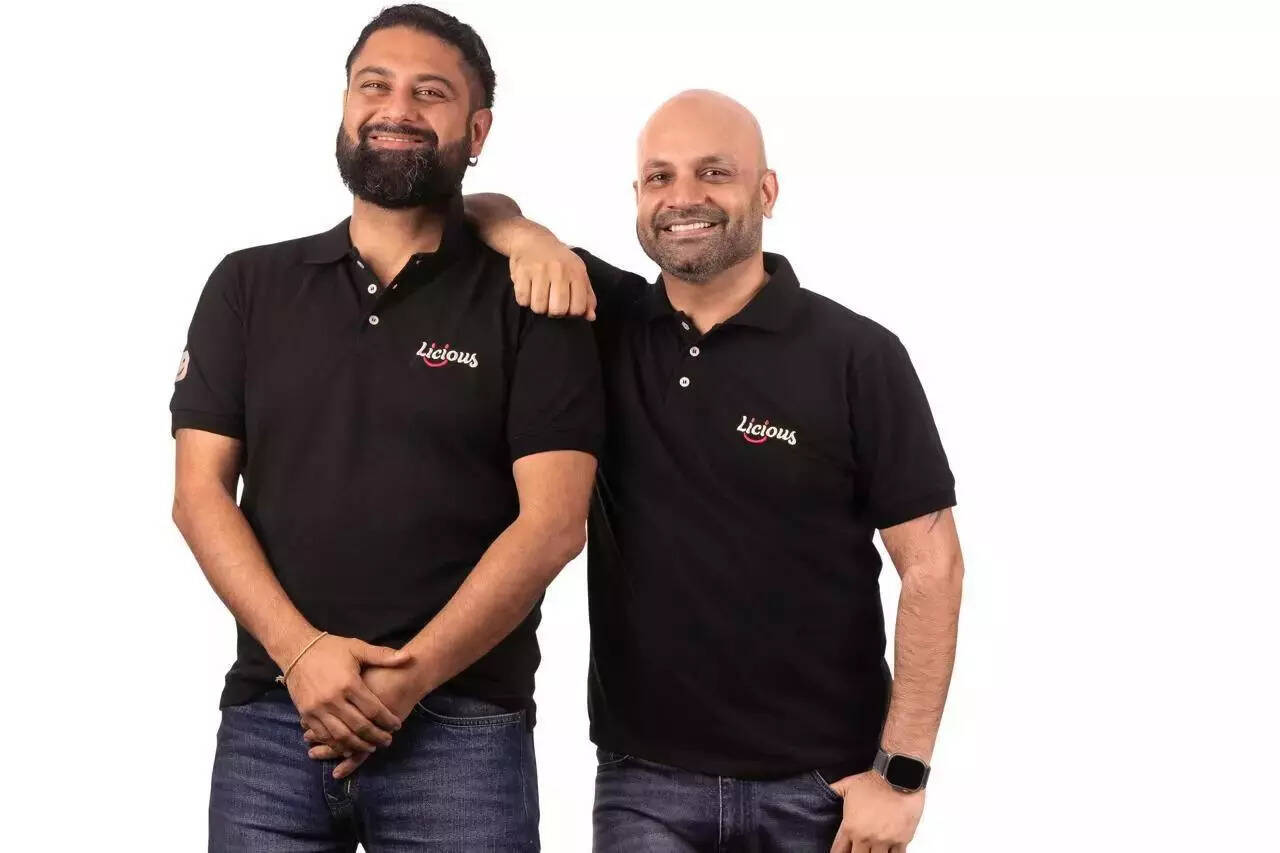
| FOUNDERS | Vivek Gupta and Abhay Hanjura, 2015 |
| THE ACCESS POINT Licious is private. Investors include Temasek. Unlisted-market quotes exist but reflect the 2023 round, not a current price. |
|---|
Executive decision summary
| THE BOTTOM LINE Licious made fresh meat delivery a mainstream habit in Indian cities by controlling the cold chain from farm to doorstep. It was valued at US$1.5bn in 2023 and spoke of a US$2bn IPO in 2026, but sales fell 8% in FY24, losses are still large, and its founders now point to 2027–28 for listing. Reported FY25 figures, from lower-quality sites, suggest revenue recovered by about 16% and losses narrowed. Without an updated prospectus, the last private mark of US$1.5bn is more than three years from any IPO price. |
|---|
| WHICH INVESTOR Fits you IF you want a category leader in fresh protein with a well-known brand, and can wait for profit. Look elsewhere IF you need disclosed profit: every year so far has been a loss, and the latest data are unaudited secondary reports. |
|---|
| COMFORT FIT Licious = a premium butcher that delivers to your door and runs its own cold chain. FreshToHome, Zomato's Hyperpure, Blinkit = rivals and distributors. Venky's, Godrej Tyson = listed packaged-meat peers. |
|---|
| THE RUPEIA NUMBER ₹294 crore. The FY24 loss, down 44% from ₹528.5 crore, on revenue of about ₹685 crore. |
|---|
1 CLAIM REGISTER: EVIDENCE GRADING
A = government or regulator record. B = statutory filing. C = independent press. D = company announcement.
| Claim | Source | Grade | Rupeia assessment |
|---|---|---|---|
| IPO deferred to 2027–28 | IPO Central | C | Reported. |
| Last valued at US$1.5bn (Mar 2023) | Press; ValueForStartups | C | Established. |
| FY24 revenue ₹685.05 crore (−8.4%); loss ₹293.77 crore (−44%) | Press (Entrackr and others) | B/C | Established. |
| FY25 revenue ₹795 crore; net loss ₹218 crore | Secondary sites | D | Unverified. |
| Target valuation about US$2bn | Business Standard; Reuters; Bloomberg | C | Earlier target; superseded. |
2 COMPANY OVERVIEW & FOUNDING STORY
Licious was founded in Bengaluru in 2015 by Vivek Gupta and Abhay Hanjura, who set out to fix the unreliable supply of fresh meat in Indian cities. The company bought directly from farms and fisheries, built its own processing centres and cold chain, and sold through an app and later through its own stores and marketplaces. It reached unicorn status in 2021.
The model is operationally hard: meat spoils quickly, so cold-chain logistics, wastage and demand forecasting decide profit. Licious has invested in processing centres, delivery hubs and quality control, which gives a brand advantage but also high fixed costs.
In 2023 and 2024, growth stalled as consumer spending cooled and competition from quick-commerce players rose. The company shifted from growth at any cost to profitability, which explains the FY24 fall in revenue and loss.
3 TIMELINE
| Date | Event |
|---|---|
| 2015 | Founded in Bengaluru |
| 2021 | Unicorn round |
| Mar 2023 | Valued at US$1.5bn |
| FY24 | Revenue −8.4%; loss −44% |
| Feb 2025 | Reports of a 2026 IPO at about US$2bn |
| 2026 | IPO reported deferred to 2027–28 |
4 FUNDING, VALUATION AND IPO PLANS
| Item | Detail | Amount | Comment |
|---|---|---|---|
| 2021 | Series F | Valuation ~US$1bn+ | Unicorn round |
| Mar 2023 | Series F extension | Valuation US$1.5bn | Temasek and others |
| 2025 | IPO talk | Target ~US$2bn | Bloomberg and Reuters reports |
| 2026 | Deferral | — | IPO pushed to 2027–28 |
A US$2bn IPO target against FY24 revenue of about ₹685 crore (about US$71m) implies 28x revenue, which is far above the 1–3x that listed food companies command. This gap explains the deferral.
| RUPEIA CALCULATION US$1.5bn at ₹96.5 per US$ is about ₹14,475 crore, or 21x FY24 revenue of ₹685 crore. At FY25's reported ₹795 crore, the multiple is 18x. A listed food-service business such as Devyani or Jubilant trades near 2–5x revenue, so the gap to close is large. |
|---|
5 FINANCIAL FORENSICS
| Metric | FY23 | FY24 | FY25 (unverified) |
|---|---|---|---|
| Revenue | ~₹748 crore (derived) | ₹685.05 crore (−8.4%) | ~₹795 crore (+16%) |
| Net loss | ₹528.5 crore | ₹293.77 crore | ~₹218 crore |
| Loss as % of revenue | ~71% | ~43% | ~27% |
| EBITDA loss | n/a | n/a | ~₹163 crore |
Loss as a share of revenue has fallen from about 71% to about 27% over two years on the reported numbers, a large improvement. Losses of that size still mean the business burns about ₹160–220 crore a year.
| RUPEIA CALCULATION At ₹218 crore of annual loss and no breakeven yet, the company needs about ₹400–600 crore of capital to reach profit if the trend continues (Rupeia illustration: two further years of losses falling by half each year). The IPO or another private round would fund that bridge. |
|---|
6 BUSINESS MODEL & UNIT ECONOMICS
Licious earns the margin between farm-gate cost and the price paid by consumers, less processing, cold-chain and delivery costs.
| Line | How it earns | Pressure point |
|---|---|---|
| Direct-to-consumer app | Product margin on fresh meat, seafood and ready-to-cook | Wastage; delivery cost; discounts |
| Marketplaces and quick commerce | Sales through Zepto, Blinkit, Swiggy and others | Platform fees |
| Own stores | Retail margin | Capex |
| B2B (restaurants, hotels) | Bulk supply | Price competition |
Frequency and order size drive profit: a customer ordering weekly in a dense area is far cheaper to serve than a one-off buyer.
7 MARKET & COMPETITIVE ANALYSIS
| Peer | Status | Position |
|---|---|---|
| FreshToHome | Private | Main online fresh meat and fish rival |
| Hyperpure (Eternal), Zepto, Blinkit | Listed / private | Quick-commerce rivals selling meat |
| Venky's India, Godrej Foods | Listed | Poultry and packaged-meat companies |
| Devyani, Jubilant FoodWorks | Listed | Food-service peers for valuation |
The closest listed comparisons are food and quick-service companies at 2–5x revenue, not the high revenue multiples of consumer-internet start-ups.
8 WHY THE IPO WAS DEFERRED
Valuation gap: the US$1.5–2bn mark is far above the multiples of listed food peers.
Profitability: the company wants to show profit before filing, so a DRHP would not prompt a discount.
Growth: FY24 revenue fell; investors pay for growth, so the FY25 recovery needs to be audited and sustained.
Market mood: Zepto, PhonePe and others have also delayed or repriced.
A shift to 2027–28 gives the company time to show two profitable years, which is the best argument against a discount.
9 OPERATING RISKS SPECIFIC TO FRESH MEAT
Wastage, cold-chain breakdowns and food-safety incidents can erase a month of margin. A single high-profile recall would damage a brand built on freshness. The company's strength is also its cost: it owns processing centres and delivery hubs, so fixed costs fall only when volumes rise.
10 VALUATION ARITHMETIC
| Valuation | ₹ crore (₹96.5/US$) | x FY25 revenue (~₹795 crore) |
|---|---|---|
| US$1.5bn (2023) | ~14,475 | 18x |
| US$2bn (IPO target) | ~19,300 | 24x |
| US$0.8bn (illustrative reset) | ~7,720 | 9.7x |
Rupeia calculation using the unverified FY25 revenue.
11 SCENARIO ANALYSIS
| Scenario | Probability | What happens |
|---|---|---|
| Bull | 20% | Profit by FY27; IPO in 2027–28 at US$1.2–1.5bn |
| Base | 45% | Slow improvement; IPO at a lower valuation than 2023 |
| Bear | 35% | Competition and wastage prevent breakeven; further down round |
12 RISK ANALYSIS: RED FLAG LEDGER & KILL CONDITIONS
| Risk | Severity | Kill condition |
|---|---|---|
| Continuing losses | High | FY26 loss above ₹150 crore |
| Valuation versus listed peers | High | IPO priced below US$1bn |
| Competition from quick commerce | High | Share loss in major cities |
| Food safety and wastage | Medium | Recall or cold-chain failure |
13 INVESTOR CLASS ANALYSIS
HNIs and family offices
Unlisted quotes are anchored to older marks. Avoid paying anything near US$1.5bn without audited FY26 and FY27 numbers.
Institutions
Temasek and early funds will decide the timing and price of an IPO.
NRIs
NRIs can hold unlisted Indian shares under FEMA pricing and reporting rules; repatriation depends on the account route used.
14 THE EARLY SIGNAL: EVENTS TO WATCH
| When | Event |
|---|---|
| 2027 | FY26 audited accounts |
| 2027–28 | DRHP filing once profit is shown |
| Ongoing | Order frequency and city expansion |
15 RUPEIA FINAL INDEPENDENT VIEW
Licious has a strong brand and a hard business. The deferral of the IPO to 2027–28 is a sign of discipline, and also of how far the market price is from the 2023 mark.
| THE RUPEIA NUMBER ₹294 crore. The FY24 loss, down 44% from ₹528.5 crore, on revenue of about ₹685 crore. |
|---|
| RUPEIA VERDICT Good brand, unproven profit, stale valuation. Wait for audited recovery. |
|---|
Frequently asked questions
Is Licious going public?
It had aimed at 2026 but now reportedly expects 2027–28.
What is Licious's valuation?
US$1.5bn in the last round (March 2023).
What are its losses?
About ₹294 crore in FY24; unverified reports suggest about ₹218 crore in FY25.
Who founded Licious?
Vivek Gupta and Abhay Hanjura in 2015.
Source log
IPO Central: Licious defers listing to 2027–28
Inc42: Licious targets US$2bn IPO
Business Standard: Licious targets US$2bn IPO
ThePrint: Licious plans IPO in 2026
Tice News: Licious loses flavour?
Finology: Licious company analysis
| DISCLAIMER This report is independent research by Rupeia Investments Co. built only from public sources as of the date shown. It is not an offer, solicitation or investment advice, and it is not a recommendation to buy or sell any security. Private-company figures are drawn from filings and media reports and may be revised. Unlisted and private-market investments are illiquid and carry a risk of total loss. Investors should take independent advice. |
|---|