Porter (Smartshift Logistics): FY25 revenue ₹4,306 crore and first
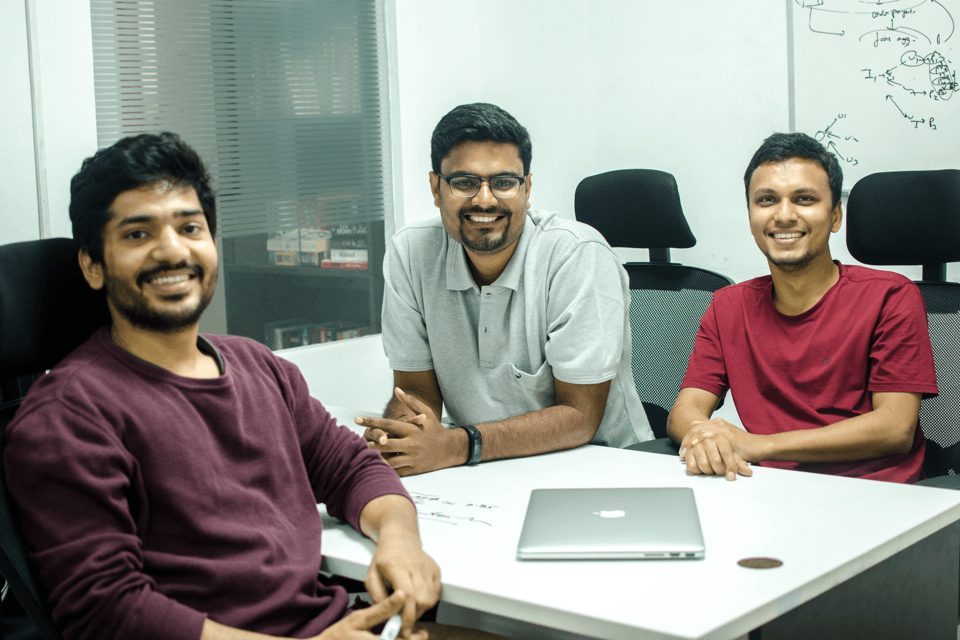
The Porter team, as shown on the company website Source: Porter website
Independent report content
| FY25 (REPORTED) | Operating revenue ₹4,306 crore (+57%) · net profit about ₹55 crore vs loss of about ₹96 crore in FY24 · total expenses ₹4,286 crore |
|---|---|
| EARLIER YEARS | FY24 revenue ₹2,734 crore, loss ₹95.7 crore · FY23 revenue ₹1,737 crore, loss ₹174.6 crore |
| SERIES F | US$200 million, May 2025, led by Kedaara Capital and Wellington Management at about US$1.2 billion; about US$140–150 million was secondary |
| EXTENSION | ET reported (9 Sep 2025) Porter close to US$100–110 million more, taking an extended round to US$300–310 million, about US$250–260 million secondary; not confirmed as closed |
| EXITS | Peak XV fully exited; Kae Capital and Lightrock partly; reported returns above ₹1,200 crore on ₹116 crore invested |
| BUSINESS | Goods transport (mini-trucks, two-wheelers, parcels, relocation) in 22–25+ cities, mainly for MSMEs; goods transportation is above 99% of operating revenue |
| LEADERSHIP | Founded 2014 by Pranav Goel, Uttam Digga and Vikas Choudhary; Digga CEO since August 2023, Goel vice chairman |
| IPO | No DRHP found; coverage mentions a possible IPO in 12–15 months from mid-2025 |
| THE ACCESS POINT Porter is private with no IPO filing. Secondary transactions in 2025 were by institutions; access for individuals is limited to unlisted-market brokers with unverified prices. |
|---|
Executive decision summary
| THE BOTTOM LINE Porter connects small businesses with drivers of mini-trucks and two-wheelers inside cities, and in FY25 it did what few Indian internet logistics businesses have done: it made a profit. Operating revenue was ₹4,306 crore, up 57%, and net profit about ₹55 crore, against a loss of ₹96 crore a year earlier. Investors Kedaara and Wellington paid about US$1.2 billion in a US$200 million round in which most of the money bought out early backers; Peak XV exited completely. The margin is thin: fleet-operator payments take 85% of revenue, and revenue less total expenses was only about ₹20 crore, so about ₹35 crore of the ₹55 crore profit came from non-operating income. It is a high-volume, low-take business whose value rests on scale, repeat MSME customers and a possible IPO. |
|---|
| WHICH INVESTOR Fits you IF you want exposure to India's unorganised goods-transport market through a platform that has reached break-even and has institutional backing. Look elsewhere IF you want proof of a high-margin model: operating margin is near zero and competition from Uber, Rapido and others is intense. |
|---|
| COMFORT FIT Porter = a marketplace for small trucks: the shop owner books a vehicle, the driver gets the job and Porter keeps a small cut. Uber, Rapido, Borzo, Delhivery = named competitors in the sources. Series F secondary = existing investors selling to new ones, so little of the money went into the company. |
|---|
| THE RUPEIA NUMBER 85%. Fleet-operator costs as a share of FY25 revenue (₹3,679 crore of ₹4,306 crore). |
|---|
1 CLAIM REGISTER: EVIDENCE GRADING
A = government or regulator record. B = statutory filing. C = independent press. D = company announcement.
| Claim | Source | Grade | Rupeia assessment |
|---|---|---|---|
| FY25 operating revenue ₹4,306 crore (+57%); net profit about ₹55 crore; FY24 loss ₹96 crore | Angel One (9 Oct 2025); CXO Digital Pulse; Whalesbook | B/C | Reported from filings. |
| FY24 revenue ₹2,733.7 crore; loss ₹95.7 crore; FY23 revenue ₹1,737.4 crore; loss ₹174.6 crore | Outlook Business; CXO Digital Pulse | B/C | One source gives FY24 as ₹2,766 crore. |
| FY25 expenses ₹4,286 crore; fleet operator costs ₹3,679 crore; staff ₹285 crore; EBITDA about ₹48 crore | Angel One | B/C | EBITDA definition not explained. |
| Series F US$200 million at about US$1.2 billion, led by Kedaara and Wellington | Outlook Business; Angel One; CXO Digital Pulse | B | Whalesbook says "US$1 billion in early 2026"; date conflict. |
| About US$140–150 million of the round was secondary; Peak XV fully exited | Angel One (May 2025) | C | Derived primary of US$50–60 million. |
| Extended round US$300–310 million reported | Outlook Business citing ET | C | Not confirmed as closed. |
| Total funding US$132 million, US$151 million or above US$332 million | Outlook; Whalesbook; CXO Digital Pulse | D | Conflict. |
| Goods transportation above 99% of revenue | CXO Digital Pulse | C | Segment rupee split not found. |
2 COMPANY OVERVIEW & FOUNDING STORY
Porter was founded in 2014 by Pranav Goel, Uttam Digga and Vikas Choudhary and is based in Bengaluru. It runs a marketplace for on-demand intra-city goods transport: mini-trucks and light commercial vehicles, two-wheeler delivery, peer-to-peer parcels and intercity relocation. The users are mostly small and medium businesses, and the drivers are independent owners paid per trip.
Uttam Digga became CEO in August 2023 and Pranav Goel vice chairman; Choudhary's current role is not stated. Sources report operations in more than 20, 22 or 25 cities (the figure rose from 20 in July 2025 to 25 in October 2025) and plans for eight more cities.
The market is highly fragmented: a source in the set describes the sector as about 90% unorganised. Named competitors include Uber, Rapido, Borzo and Delhivery. Rapido is covered in report 16 of this archive.
3 TIMELINE
| Date | Event |
|---|---|
| 2014 | Founded in Bengaluru |
| 2021 | Series E: ₹750 crore led by Tiger Global and Vitruvian, at about US$500 million |
| FY23 | Revenue ₹1,737.4 crore; loss ₹174.6 crore |
| Aug 2023 | Uttam Digga becomes CEO |
| FY24 | Revenue ₹2,733.7 crore; loss ₹95.7 crore |
| May 2025 | US$200 million Series F at US$1.2 billion; Peak XV exits |
| Sep 2025 | ET reports extended round of US$300–310 million (unconfirmed) |
| FY25 | Revenue ₹4,306 crore; profit about ₹55 crore |
4 FUNDING, SECONDARY SALES AND VALUATION
| Round | Detail | Amount | Comment |
|---|---|---|---|
| Series E (2021) | Led by Tiger Global and Vitruvian; Sequoia, Lightrock | ₹750 crore (~US$100 million) | Valuation about US$500 million |
| Series F (May 2025) | Kedaara Capital and Wellington Management | US$200 million (~₹1,930 crore) | About US$1.2 billion; ~US$140–150 million secondary |
| Extension (reported Sep 2025) | Vitruvian, Elev8, others; ET | US$100–110 million more | Extended round US$300–310 million; closing unconfirmed |
| Early investors | Peak XV (full exit); Kae Capital, Lightrock (partial) | Returns above ₹1,200 crore on ₹116 crore (reported) | About 10.3x |
| Total funding | Sources differ | US$132 million to above US$332 million | Unreliable |
The Series F was mostly secondary: primary capital into the company was roughly US$50–60 million (Rupeia derivation from the reported secondary range), about ₹480–580 crore.
| RUPEIA CALCULATION At US$1.2 billion (about ₹11,580 crore) the valuation is 2.7 times FY25 operating revenue (₹11,580 ÷ ₹4,306 crore) and about 210 times FY25 net profit of ₹55 crore. Peak XV's reported return of 10.3x (₹1,200 crore on ₹116 crore) shows how much of the round was early-investor liquidity. If the extended round of US$300–310 million were fully closed at the same valuation, it would be about 25–26% of the company (US$310 million ÷ US$1.2 billion), with most of it changing hands rather than entering the business. |
|---|
5 FINANCIAL FORENSICS: A THIN OPERATING MARGIN
| ₹ crore | FY23 | FY24 | FY25 |
|---|---|---|---|
| Operating revenue | 1,737.4 | 2,733.7 | 4,306 |
| Growth | — | +57.3% | +57.5% |
| Net profit / (loss) | (174.6) | (95.7) | 55 |
| Total expenses | n/a | n/a | 4,286 (+50%) |
| Fleet operator costs | n/a | n/a | 3,679 (+55%; 85.4% of revenue) |
| Staff costs | n/a | n/a | 285 (+20%; 6.6% of revenue) |
| EBITDA (as reported) | n/a | (112) | ~48 |
| Non-operating income | n/a | n/a | ~35 |
Revenue grew 57% in both FY24 and FY25. Fleet-operator payments rose 55% against revenue growth of 57%, so the share kept by Porter (revenue minus fleet costs) stayed near 14.6% of revenue (₹627 crore of ₹4,306 crore). Staff costs rose only 20%, which is where the operating leverage came from.
| RUPEIA CALCULATION Where did the profit come from? Operating revenue ₹4,306 crore less total expenses ₹4,286 crore leaves about ₹20 crore; adding ₹35 crore of non-operating income gives ₹55 crore, matching reported profit. So about 64% of FY25 profit (35 ÷ 55) was non-operating income, probably interest on cash balances. The reported EBITDA of ₹48 crore uses a definition the sources do not explain. The core operating margin is about 0.5% of revenue (20 ÷ 4,306), which is why growth in take-rate matters more than growth in trips. |
|---|
6 BUSINESS MODEL & UNIT ECONOMICS
Porter earns the difference between what a business pays and what the driver receives for each trip.
| Line | How it earns | Pressure point |
|---|---|---|
| Mini-trucks and LCVs (core) | Intra-city goods transport for MSMEs | Driver payouts are 85% of revenue; price competition |
| Two-wheeler delivery and courier | Short-distance parcels | Rapido and Uber compete |
| Peer-to-peer parcels | Small consumer parcels (Dunzo once led) | Low volume |
| Relocation / intercity | Packers and movers type work | Smaller; high service load |
| Platform fees and other | Under 1% of revenue | Minor |
The platform's economics depend on utilisation: more trips per driver per day, repeat customers who do not shop around and low support cost per trip. Gross revenue is large because Porter books the whole fare, which is why the margin looks small.
7 MARKET & COMPETITIVE ANALYSIS
| Peer | Status | Position |
|---|---|---|
| Uber | Listed (global) | Larger-vehicle goods transport and two-wheelers |
| Rapido | Private | Two-wheeler logistics; report 16 |
| Borzo | Private | Intra-city courier |
| Delhivery | Listed (India) | Larger logistics player; not a direct match |
| BlackBuck, Rivigo | Listed / private | Market context in sources |
No source gives take rate, GMV or trip volume, so a like-for-like comparison with listed logistics names is not possible from the sources read.
8 1. HOW PORTER MAKES MONEY AND WHAT A RUPEE OF REVENUE LOOKS LIKE
| FY25 per ₹100 of operating revenue | ₹ | Source / derivation |
|---|---|---|
| Paid to fleet operators | 85.4 | 3,679 ÷ 4,306 |
| Staff costs | 6.6 | 285 ÷ 4,306 |
| Other expenses (balance) | 7.5 | Rupeia: 4,286 − 3,679 − 285 = 322; 322 ÷ 4,306 |
| Operating surplus | 0.5 | (4,306 − 4,286) ÷ 4,306 |
| Non-operating income | 0.8 | 35 ÷ 4,306 |
| Net profit | 1.3 | 55 ÷ 4,306 |
Rupeia derivation from reported totals; the reported expense items do not necessarily include every cost line.
Every ₹100 that passes through Porter yields about ₹14.6 for Porter before staff and other costs. Margin improvements of one or two percentage points in take rate would double the profit.
9 2. FUNDING QUALITY: PRIMARY VERSUS SECONDARY
| Item | Figure | Reading |
|---|---|---|
| Series F size | US$200 million | Headline |
| Secondary share | US$140–150 million (70–75%) | Most proceeds went to selling investors |
| Primary into the company | ~US$50–60 million (Rupeia) | ₹480–580 crore |
| Extension (unconfirmed) | US$100–110 million more, mostly secondary | Further liquidity for early holders |
| Peak XV | Full exit; returns above ₹1,200 crore on ₹116 crore | About 10x |
A round that is mainly secondary shows confidence from new investors in the business, and it transfers risk from early backers to new ones. It does not add much cash to the balance sheet, and the company's cash cushion is therefore smaller than the headline round suggests.
10 3. THE DATA CONFLICTS
| Item | Versions in sources | Rupeia treatment |
|---|---|---|
| FY24 revenue | ₹2,733.7 crore, ₹2,734 crore, ₹2,766 crore | Uses ₹2,733.7 crore (two sources) |
| FY25 revenue | ₹4,306 crore, "nearly ₹4,300 crore", "~₹4,000 crore" (pre-audit) | Uses ₹4,306 crore |
| FY25 profit | ₹54 crore, ₹55 crore, ₹55.3 crore | Uses about ₹55 crore |
| Valuation date | May 2025 (US$1.2 billion) vs "US$1 billion in early 2026" | Uses May 2025 |
| Total funding | US$132 million; US$151 million; above US$332 million | Not used |
| Cities | 20, 22, 25+ | Reported as a range |
11 4. COMPETITION AND MARKET STRUCTURE
Porter operates in a sector that one source describes as about 90% unorganised. Large platforms (Uber for larger vehicles, Rapido for two-wheelers, Borzo for couriers) compete on price and availability, while Delhivery and BlackBuck sit in adjacent segments. The sources do not give market share. The strategic question is whether Porter's MSME customer base is loyal enough to resist price competition, and whether its driver supply remains cheaper than rivals' incentives.
12 5. VALUATION SCENARIOS AND IPO READINESS
| Scenario | Value (US$ billion) | Value (₹ crore) | x FY25 revenue | What must be true |
|---|---|---|---|---|
| Bear | 0.8 | ~7,720 | 1.8x | Margin stays near 0%; competition caps take rate |
| Base (Series F) | 1.2 | ~11,580 | 2.7x | Growth of 35–40% and rising take rate |
| Bull | 2.0 | ~19,300 | 4.5x | Revenue above ₹6,500 crore and EBITDA above 3% |
Rupeia illustration; no IPO valuation has been reported. ₹96.5 per US$.
A listing would need audited consolidated figures, a clear governance record and a path to an operating margin above 2–3%. The sources do not give a DRHP date; one outlet said 12–15 months from mid-2025.
13 6. GOVERNANCE AND LEADERSHIP
Founders: Pranav Goel (vice chairman), Uttam Digga (CEO), Vikas Choudhary (role not stated).
Investors: Kedaara, Wellington, Vitruvian, Elev8 Partners, Tiger Global, Lightrock, Sequoia (2021) and some Mumbai-based market investors named in coverage.
Disclosure: financials come from regulatory filings quoted by the press; no audited numbers by Rupeia.
Gaps: GMV, take rate, trips, driver count, headcount, product lines and city list are not in the sources read.
14 7. RISK MAP
| Risk | Mechanism | What to watch |
|---|---|---|
| Thin operating margin | 0.5% operating margin; profit relies on other income | FY26 filing; EBITDA definition |
| Driver supply and incentives | 85% of revenue goes to drivers | Fleet cost share |
| Competition | Uber, Rapido, Borzo and local players | Pricing and discounts |
| Regulation of gig workers | Driver classification and social-security rules | Labour code developments |
| Secondary-heavy funding | Little new cash for growth | Cash balance disclosure |
| MSME demand | Sensitive to small-business conditions | Order growth |
| Data inconsistency | Many figures differ by source | Audited accounts |
15 8. QUESTIONS FOR A FUTURE PROSPECTUS
GMV, take rate and trips by vehicle class for FY23–FY26.
Driver count, retention and incentive spend.
Revenue by segment and by city.
Reconciliation of EBITDA and non-operating income.
Cash balance and the use of primary proceeds from the Series F.
Terms of the extended round if closed.
Related-party transactions and ESOP costs.
Regulatory exposure on gig workers.
16 9. GLOSSARY
| Term | Meaning |
|---|---|
| LCV | Light commercial vehicle |
| GMV | Gross merchandise (or booking) value: total fares through the platform |
| Take rate | Share of GMV kept by the platform |
| Secondary sale | Existing shareholders selling shares to new investors |
| Series F | Late-stage venture round |
| Gig worker | Independent driver paid per job |
17 VALUATION SCENARIOS
| Scenario | Value (₹ crore) | x FY25 revenue | What must be true |
|---|---|---|---|
| Bear | ~7,720 | 1.8x | Competition pressure |
| Base | ~11,580 | 2.7x | Series F mark holds |
| Bull | ~19,300 | 4.5x | Margin scales and IPO demand is strong |
Rupeia illustration; not a reported IPO valuation.
18 SCENARIO ANALYSIS
| Scenario | Probability | What happens |
|---|---|---|
| Bull | 20% | FY26 shows operating margin above 2%; IPO prepared for 2027 at US$1.8–2.0 billion |
| Base | 45% | Growth 35–40%; profit stays thin; IPO deferred |
| Bear | 35% | Driver incentives and competition erase profit |
19 RISK ANALYSIS: RED FLAG LEDGER & KILL CONDITIONS
| Risk | Severity | Kill condition |
|---|---|---|
| Thin margin and reliance on other income | High | FY26 EBITDA and operating margin |
| Competition and price wars | High | Uber and Rapido moves |
| Gig-worker regulation | Medium | Labour code |
| Secondary-heavy funding | Medium | Cash balance |
| Source conflicts on key figures | Medium | Audited accounts |
| IPO timing | Medium | DRHP filing |
20 INVESTOR CLASS ANALYSIS
HNIs and family offices
Unlisted prices should be checked against the US$1.2 billion Series F mark and FY26 results; secondary sales by early investors are not a signal of a bargain.
Institutions
Late-stage investors will focus on take-rate expansion, driver economics and profitability.
NRIs
NRIs can hold unlisted Indian shares under FEMA pricing and reporting rules; repatriation depends on the account route used.
21 THE EARLY SIGNAL: EVENTS TO WATCH
| When | Event |
|---|---|
| FY26 filings | First audited full-year result after the Series F |
| 2027 | Possible DRHP |
| Ongoing | Expansion to new cities |
22 RUPEIA FINAL INDEPENDENT VIEW
Porter is among the few Indian logistics start-ups to turn a profit. The profit is real but thin, and the funding story is mostly early investors cashing out.
| THE RUPEIA NUMBER 85%. Fleet-operator costs as a share of FY25 revenue (₹3,679 crore of ₹4,306 crore). |
|---|
| RUPEIA VERDICT Profitable but thin. Watch FY26 margin. |
|---|
Frequently asked questions
What was Porter's FY25 revenue and profit?
Operating revenue ₹4,306 crore (+57%) and net profit of about ₹55 crore, against a ₹96 crore loss in FY24.
What is Porter's valuation?
About US$1.2 billion at the US$200 million Series F in May 2025, led by Kedaara and Wellington.
How much of the Series F was secondary?
About US$140–150 million of US$200 million, per Angel One.
Is an IPO planned?
No DRHP was found; coverage mentions a possible IPO in 12–15 months from mid-2025.
Who founded Porter?
Pranav Goel, Uttam Digga and Vikas Choudhary in 2014.
Source log
Outlook Business: Porter nears US$310 million fundraise
Angel One: Porter turns profitable in FY25 as revenue jumps 57%
CXO Digital Pulse: Porter turns profitable in FY25
Whalesbook: Porter hits US$1B valuation and FY25 profitability
Angel One: Porter becomes unicorn with US$200 million raise
| DISCLAIMER This report is independent research by Rupeia Investments Co. built only from public sources as of the date shown. It is not an offer, solicitation or investment advice, and it is not a recommendation to buy or sell any security. Private-company figures are drawn from filings and media reports and may be revised. Unlisted and private-market investments are illiquid and carry a risk of total loss. Investors should take independent advice. |
|---|