CureBay: Pre-Series C about ₹100 crore (₹69 crore equity + over ₹30
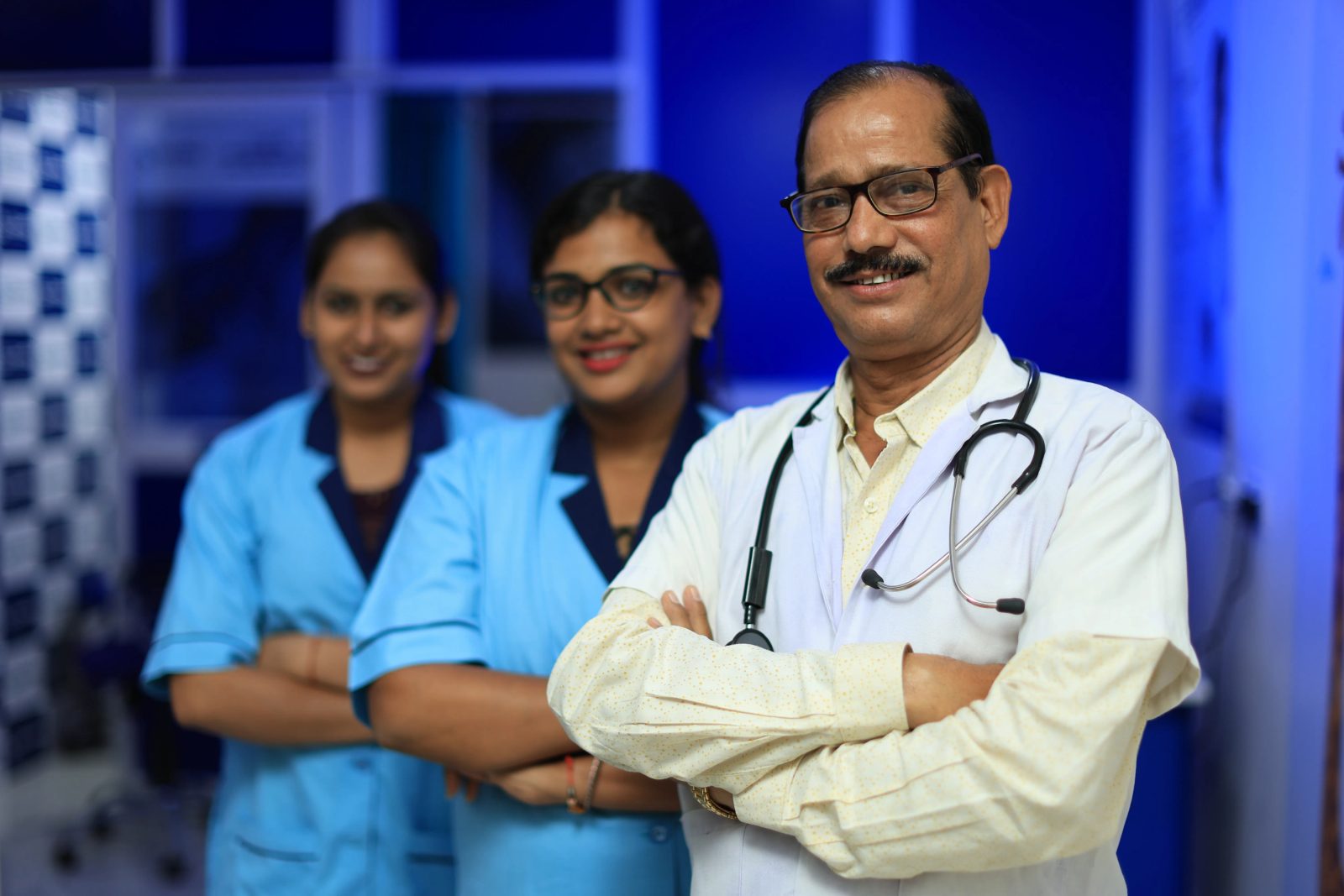
A CureBay clinic team Source: CureBay
Independent report content
| ROUND | Pre-Series C · about ₹100 crore (about US$10.4m) · announced 22 Oct 2026 · ₹69 crore equity plus over ₹30 crore debt |
|---|---|
| LEAD | IvyCap Ventures (Fund III) led the equity. Existing investors Bertelsmann India Investments, Elevar Equity (EE-FI AIF), British International Investment and VentureSoul took part |
| DEBT LENDERS | Trifecta Capital, Alteria Capital and VentureSoul Partners; terms not disclosed |
| STRUCTURE OF EQUITY | Investor counsel JSA says IvyCap's investment mixed primary subscription and secondary purchase from existing shareholders; the split is not disclosed |
| TOTAL RAISED BEFORE THIS ROUND | About US$34.5m (Series A ₹50 crore, Series A1 ₹62 crore, Series B US$21m), per press reports |
| VALUATION | Not disclosed by the company or investors |
| REVENUE | FY25 ₹70.4 crore (Inc42; FY24 ₹12.4 crore); Mint reports ₹68.2 crore. FY25 net loss ₹58.1 crore (Inc42) |
| RUN-RATE (MANAGEMENT) | FY26 annual recurring revenue about ₹170 crore (Inc42) or ₹180–190 crore (VCCircle); operating EBITDA break-even claimed for FY26 |
| NETWORK | 250+ clinics in seven states, 1,800+ Swasthya Mitras, 230+ doctor partners, 210+ partner hospitals and labs, 17 lakh+ patients (company) |
| COMPANY | Curebay Technologies Pvt Ltd · founded 2021 by Priyadarshi Mohapatra, Shobhan Mahapatra and Sanjay Swain · HQ Bhubaneswar, Odisha |
| THE ACCESS POINT CureBay is a private company. The October 2026 round was taken by IvyCap Ventures and existing institutional investors. Individual investors can reach CureBay only through rare private secondary transactions in its shares, or through funds that hold it: IvyCap Ventures Fund III, Elevar Equity's fund, Bertelsmann India Investments and VentureSoul's fund. Part of the IvyCap investment was itself a secondary purchase from existing shareholders, which shows that some early holders have already been offered liquidity. There is no listed proxy. |
|---|
Executive decision summary
| THE BOTTOM LINE CureBay runs rural primary care as a network. It operates 250+ small clinics (called eClinics) staffed by a nurse or paramedic, linked by video to remote doctors, with community agents (Swasthya Mitras) who bring patients in, partner labs and hospitals for tests and referrals, a 24/7 command centre, an AI screening layer and a ₹499-a-year membership called Kavach. In March 2026 it bought the pharma distribution arm of Saveo Healthtech, which supplies more than 10,000 pharmacies in four southern states. The October 2026 financing is easy to misread. The 'about ₹100 crore' headline is ₹69 crore of equity plus more than ₹30 crore of debt, and the equity itself mixes new shares with shares bought from existing holders. Press figures put FY25 revenue at ₹68–70 crore against a ₹58 crore loss, and management says FY26 ended at a run-rate near ₹170 crore with operating EBITDA at break-even. The company wants to grow from about 250 clinics to 800 in two to three years. The question for an investor is whether a new clinic reaches cash payback faster than the next one is opened. |
|---|
| WHICH INVESTOR CureBay fits you IF you want exposure to Indian primary care outside the metros, accept a service business with real fixed costs, and can reach the stock through a healthcare or impact AIF or a negotiated secondary with a 6–8 year horizon. Look elsewhere IF you need a published valuation, audited profitability or near-term liquidity. FY25 revenue is reported at two different figures, the company has not published a price per share for October 2026, and the debt terms are private. |
|---|
| COMFORT FIT CureBay = a chain of village tea-stall-sized health kiosks with a city hospital on a video link. The kiosk is cheap to run, the specialist is shared, and the money is made if enough villagers walk in every day. Apollo 24|7 / Apollo Clinics = the premium hospital chain's digital arm. Stronger brand and doctors, but priced and located for towns and cities. eSanjeevani = the free public-sector alternative. More than 500 million consultations have been delivered under it, but it does not supply diagnostics, medicines or a physical clinic. Curefoods / Pixxel = other Rupeia deep reports on Indian private companies at a similar stage of scaling a physical network (see Reports 03 and 04). |
|---|
| THE RUPEIA NUMBER ₹69 crore + ₹30 crore+ = about ₹100 crore, but not ₹100 crore of new equity. Of the ₹69 crore equity, an undisclosed part bought existing shares. Rupeia calculation: if even a quarter of the equity was secondary, only about ₹52 crore of equity went to the company, and with over ₹30 crore of debt the cash reaching CureBay is closer to ₹82 crore than ₹100 crore. |
|---|
1 CLAIM REGISTER: EVIDENCE GRADING
Every material claim in this note is graded by the strength of its published source. A = government, regulator or customer record. B = statutory filing or financial statement (including extracts). C = independent press. D = company announcement.
| Claim | Source | Grade | Rupeia assessment |
|---|---|---|---|
| About ₹100 crore pre-Series C: ₹69 crore equity led by IvyCap plus over ₹30 crore debt | Inc42, Business Standard, Express Healthcare, VCCircle (22 Oct 2026) | C | Published by several outlets and consistent across them. Exact debt amount is stated only as 'over ₹30 crore'. |
| IvyCap's investment mixed primary subscription and secondary purchase | JSA Advocates and Solicitors, counsel to IvyCap Ventures Fund III (27 Oct 2026) | D | Statement by the investor's law firm. The primary and secondary amounts are not disclosed. |
| Series B US$21m led by Bertelsmann India Investments with Elevar Equity and BII | Inc42, Entrepreneur India, BioSpectrum (2025) | C | Reported by several outlets. Inc42 gives about ₹179.5 crore. |
| Series A ₹50 crore (Nov 2022) and Series A1 ₹62 crore (Jan 2024), both led by Elevar Equity | Entrackr, Inc42, Business Today | C | Reported by several outlets. |
| FY25 revenue ₹70.4 crore, net loss ₹58.1 crore | Inc42 Datalabs company page | B | Extract of filed accounts. Mint cites ₹68.2 crore for FY25. Inc42's page also carries a second, much smaller set of figures. Rupeia uses the FY25 headline and shows the range. |
| FY26 ARR ₹170 crore; operating EBITDA break-even | Inc42 interview; VCCircle quotes ₹180–190 crore | D | Management figures, not audited revenue. Definition of ARR not published. |
| 250+ clinics, 1,800+ Swasthya Mitras, 17 lakh+ patients | Company release (22 Oct 2026) | D | Company network measures. The Inc42 CEO interview cites 12 lakh patients, a different count or date. |
| Saveo pharma distribution business acquired; 10,000+ pharmacies | Company release; YourStory, BioSpectrum, Mint (18 Mar 2026) | C | Price not disclosed. The 10,000 pharmacies are Saveo's customers, not CureBay clinics. |
| ₹100 consultation fee; ₹499 a year Kavach | Mint CEO interview (18 Mar 2026) | C | Prices quoted by management at that date. |
| Break-even: clinics 12–18 months (VCCircle); circles 18–20 months (Mint) | VCCircle (22 Oct 2026); Mint (18 Mar 2026) | D | Management statements about different units and periods. Not audited. |
| Valuation | Not published | — | Not disclosed. This note gives only illustrative arithmetic. |
2 COMPANY OVERVIEW & FOUNDING STORY
Curebay Technologies Private Limited was founded in 2021 and is headquartered in Bhubaneswar, Odisha. Its founders are Priyadarshi Mohapatra (chief executive), Shobhan Mahapatra and Sanjay Swain. It describes itself as a hybrid care company: physical clinics with a digital layer, rather than an app that tries to replace the clinic.
The problem it addresses is familiar. A villager with a persistent fever, high blood pressure or diabetes often has to travel a long way to see a doctor, loses a day of wages, and may be told to repeat the trip for tests. The public primary-health system is stretched, and many patients go first to an informal provider or a pharmacist. CureBay's answer is a small clinic inside or close to the village, run by a trained nurse or paramedic, with equipment connected to a remote doctor, a lab partner for tests and a medicine supply chain behind it.
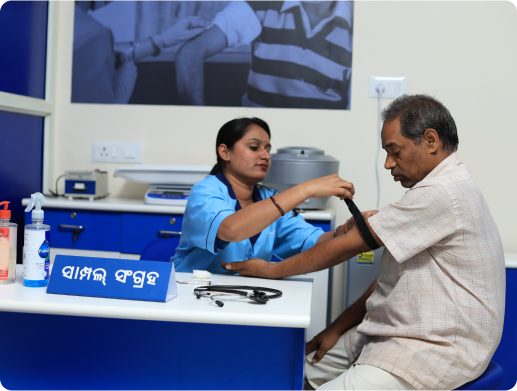
The six layers the company describes
| Layer | What it does | Economic role |
|---|---|---|
| IoT-enabled eClinics | Small clinics with connected diagnostic devices; a nurse or paramedic runs the visit | Creates local presence; carries rent, staff and equipment cost |
| Swasthya Mitras | Community health agents who find and refer patients, run camps and follow up | Acquisition channel and trust layer; paid by incentive |
| Software platform | Patient records, scheduling, prescriptions and billing across clinics | Reduces hand-offs; a fixed technology cost |
| AI screening and alerts | Risk flags for common conditions in routine data | Helps prioritise patients; no clinical performance data published |
| 24/7 command centre | Remote doctors and escalation of serious cases | Shares scarce specialist time across many clinics |
| CureBay Kavach | Annual membership giving access to consultations and care benefits | Smooths visits and builds repeat use if renewals hold |
This is a service business with a technology layer, not a software business. Margins depend on how many paying patients each clinic sees, what share of each bill CureBay keeps after paying doctors, labs and agents, and how much working capital sits in medicine stock and receivables.
3 TIMELINE: 2021–2026
| Date | Milestone (company and press records) |
|---|---|
| 2021 | Curebay Technologies founded in Bhubaneswar by Priyadarshi Mohapatra, Shobhan Mahapatra and Sanjay Swain; first eClinics in Odisha |
| Nov 2022 | Series A: about ₹50 crore (about US$6.1m) led by Elevar Equity, to open 100 eClinics in 12 months |
| Jan 2024 | Series A1: about ₹62 crore (about US$7.4m) led by existing investor Elevar Equity, to build data-science and AI capability |
| Sep 2024 | Vasant Nangia appointed president to strengthen the leadership team |
| May 2025 | Series B: US$21m (about ₹179.5 crore per Inc42) led by Bertelsmann India Investments, with Elevar Equity and new investor British International Investment; expansion to new states planned; more than 150 eClinics in Odisha and Chhattisgarh at the time |
| 18 Mar 2026 | Acquires Saveo Healthtech's pharma distribution business (10,000+ pharmacies in Karnataka, Telangana, Andhra Pradesh and Tamil Nadu; hubs in Bengaluru and Hyderabad); price not disclosed. At the time CureBay reports 190+ eClinics covering 15,000+ villages |
| Mar 2026 | Mint interview: ₹100 consultation, ₹499 Kavach, circle break-even 18–20 months |
| 22 Oct 2026 | Pre-Series C of about ₹100 crore announced: ₹69 crore equity led by IvyCap Ventures, over ₹30 crore debt from Trifecta, Alteria and VentureSoul Partners; 250+ clinics, seven states, plan for 800 clinics in two to three years |
| 27 Oct 2026 | JSA says IvyCap's investment combined primary subscription and secondary purchase of shares |
4 FUNDING HISTORY & INVESTOR BEHAVIOUR FORENSICS
| Date | Round | Amount | Investors (as reported) | Notes |
|---|---|---|---|---|
| 2021 | Seed | Not disclosed | Not disclosed | Earliest round not covered in the sources reviewed |
| Nov 2022 | Series A | ₹50 crore (about US$6.1m) | Elevar Equity (lead) | Funds 100 new eClinics |
| Jan 2024 | Series A1 | ₹62 crore (about US$7.4m) | Elevar Equity (lead, existing), others | Data science and AI build |
| May 2025 | Series B | US$21m (₹179.5 crore per Inc42) | Bertelsmann India Investments (lead); Elevar Equity; British International Investment | Pre-closing press had quoted US$18.7m; US$21m is the later figure |
| 22 Oct 2026 | Pre-Series C (equity) | ₹69 crore | IvyCap Ventures Fund III (lead); Bertelsmann; EE-FI AIF (Elevar); BII; VentureSoul Capital Fund I | Primary plus secondary; split not disclosed |
| 22 Oct 2026 | Pre-Series C (debt) | Over ₹30 crore | Trifecta Capital; Alteria Capital; VentureSoul Partners | Venture debt; terms not disclosed |
| RUPEIA CALCULATION Equity and debt raised before October 2026: ₹50 crore + ₹62 crore + ₹179.5 crore = about ₹291.5 crore, or about US$30m at ₹96.5 per US$ at 2026 rates. Press estimates put the total at US$34.5m because earlier rounds were converted at the exchange rate of their day (US$6.1m + US$7.4m + US$21m = US$34.5m). Adding the October equity (₹69 crore, about US$7.2m) would give about US$41.7m, but the primary part of that figure is not disclosed, so no total including October is stated here. |
|---|
What the investor pattern shows
Elevar Equity has led or joined every priced round. Elevar is a long-standing impact and inclusive-business investor. A third-party data site puts its stake at about 34% after the Series A1; the figure is not company-published and has since been diluted by the Series B.
Bertelsmann India Investments led the Series B and stayed in. A strategic-minded growth investor re-upping at the pre-Series C is a signal that its view of the business did not deteriorate.
BII, the UK's development finance institution, entered at Series B and followed on. Development capital tends to look for measurable access impact. It also brings reporting standards.
IvyCap's entry mixed new and old shares. A secondary component means some holders chose to sell at the October price. It is not disclosed who, or how much.
The company added debt. Trifecta and Alteria are venture-debt specialists. Taking debt at this stage suggests management wants to fund clinic set-up and working capital without further dilution, but it also adds fixed repayment obligations before profits arrive.
5 FINANCIAL FORENSICS: WHAT IS PUBLISHED
| Metric | FY24 | FY25 | Reading |
|---|---|---|---|
| Revenue (Inc42 Datalabs) | ₹12.4 crore | ₹70.4 crore | Up about 467%; Mint puts FY25 at ₹68.2 crore |
| Net loss (Inc42) | ₹17.3 crore (in page summary) | ₹58.1 crore | Loss grew faster than revenue in absolute terms |
| EBITDA (Inc42 estimate) | n/a | about –₹53.5 crore | Derived by Inc42 from filed numbers |
| Net margin | n/m | about –83% | Rupeia calculation: 58.1 ÷ 70.4 |
| Management run-rate | n/a | ₹94 crore exit ARR (Mar 2026, per Mint) | Annualised monthly billing; not revenue |
| FY26 ARR (management) | n/a | ₹170 crore (Inc42) / ₹180–190 crore (VCCircle) | Definition not published; FY26 accounts not yet public |
Three points stand out. First, FY25 revenue grew about six-fold, which tells you the business added many clinics in a short time and began to recognise medicine and diagnostics sales. A growth rate that high is mostly a base effect and should not be extrapolated. Second, the net loss of ₹58.1 crore on ₹70.4 crore of revenue shows that FY25 was an investment year. Third, management's claim of operating EBITDA break-even in FY26, while still loss-making at the company level, depends on how 'operating' is defined. Management's own explanation is that expansion costs sit below that line.
| RUPEIA CALCULATION If FY26 ARR of ₹170 crore is a month-end run-rate and the monthly run-rate of about ₹20 crore quoted by the CEO is right, annualised billing is ₹240 crore. The two figures cannot both describe the same date. The ₹94 crore exit run-rate quoted in March 2026 and ₹170 crore in October 2026 would imply an ARR increase of about 81% in seven months. This is consistent with fast clinic additions and the Saveo distribution revenue joining the group, but the split between the two is not disclosed. |
|---|
| Path to ₹340 crore (double the FY26 ARR target) | Starting point | Needed | Implied multiple |
|---|---|---|---|
| FY27 'double ARR' target (management) | ₹170 crore | ₹340 crore | 2.0x |
| From FY25 reported revenue | ₹70.4 crore | ₹340 crore | 4.8x in two years (about 120% a year) |
6 BUSINESS MODEL & UNIT ECONOMICS
A CureBay clinic earns from consultations (₹100 quoted in March 2026), diagnostics, pharmacy sales, referrals to partner hospitals and Kavach memberships. The company has not published a revenue mix by product, so Rupeia does not estimate one. What can be reasoned from published figures is the shape of the economics.
| Cost or income line | Who bears it | Behaviour as the network matures |
|---|---|---|
| Clinic rent, nurse, equipment | CureBay | Fixed per clinic; low per patient only when daily footfall is high |
| Doctor consultation | Remote doctor partner (230+) | Paid per consultation or shared; shared specialist time is the main efficiency |
| Lab tests | Partner labs (210+ hospitals and labs) | Margin depends on whether CureBay books gross billing or only a commission |
| Medicines | Pharmacy supply; now Saveo distribution | Gross margin is thin; inventory and expiry tie up cash |
| Swasthya Mitra incentives | CureBay | Variable acquisition cost; useful only if referrals convert to paid visits |
| Kavach membership (₹499 a year) | Patient | Cash arrives upfront; benefits are delivered over twelve months |
| Central cost: technology, command centre, management | CureBay | Spreads thinly only at higher clinic counts |
The unit that matters is the clinic cohort: how many months after opening does it cover its own direct costs, and how many more months until it has returned the cash put into it. Management has made two statements. VCCircle quotes clinics typically breaking even in 12–18 months. Mint quoted a circle (a cluster of clinics) breaking even in 18–20 months. The periods differ because a circle includes newer clinics. The published numbers do not give clinic-level payback, so none is stated here.
| RUPEIA CALCULATION Illustrative only. Assume one clinic costs ₹10 lakh to open (equipment, fit-out and deposits) and loses ₹1 lakh a month for its first six months, then earns ₹0.5 lakh a month of direct contribution. Cash invested by month six is ₹16 lakh. Payback then takes another 32 months at ₹0.5 lakh a month, about three years from opening. The point is not the numbers, which are not published, but that a clinic can break even at the operating level long before it repays its set-up cash. Debt makes that gap more expensive. |
|---|
The Saveo purchase changes the mix. A B2B pharma distribution business has high turnover, low margin and fast stock cycles. It lifts reported revenue and gives purchasing power over medicines, but it also moves part of the group's revenue from clinic services to distribution, so FY26 and FY27 revenue growth will partly reflect the acquisition.
7 CUSTOMER & CONTRACT INTELLIGENCE
| Customer or counterparty | What is published | Grade | Commercial reading |
|---|---|---|---|
| Rural patients (cash payers) | 17 lakh+ patients served (company); 400+ health camps a month; ₹100 consultation; ₹499 Kavach | D | Core customer. Free camp attendance and paid episodes are not separated in the published numbers |
| Families on Kavach | Membership sold in Hindi, Odia and English card formats on the company website; renewals not disclosed | D | Recurring element; no renewal rate published |
| Partner doctors and hospitals | 230+ doctor partners; 210+ partner hospitals and labs | D | Supply side and referral destinations |
| Pharmacies (via Saveo) | 10,000+ retail pharmacies in four southern states | C | B2B customers of the distribution arm, separate from clinic patients |
| Employers or government schemes | Not disclosed | — | No named institutional payer is published |
The customer base is individual patients paying at the point of care. That is good for cash collection, because there is no insurer or government receivable, and limiting for ticket size, because rural out-of-pocket budgets are small. The reported plan to reach 800 clinics assumes the patient base can be multiplied roughly three-fold with the same service model in seven states, and then in more.
8 MARKET & COMPETITIVE ANALYSIS
India's rural primary care gap is well documented: fewer doctors per head outside cities, long travel distances, and out-of-pocket payment for most outpatient care. The question for CureBay is not market size but whether a private network can serve it at a price villagers pay and a cost the company can bear.
| Provider | Type | Overlap with CureBay | Edge vs CureBay |
|---|---|---|---|
| eSanjeevani (Ministry of Health) | Public telemedicine | Remote consultation; more than 500 million consultations reported by September 2026 | Free; no physical clinic, diagnostics or medicine supply |
| Apollo 24|7 and Apollo Clinics (Apollo Hospitals, listed) | Hospital-group digital and clinics | Digital consultations, diagnostics, pharmacy | Brand and listed balance sheet; mostly urban and semi-urban |
| Gramin Healthcare | Rural clinics and telemedicine | Clinic-led rural care | Smaller disclosed footprint; funding not published in sources reviewed |
| MedCords | Rural pharmacy and consultation network | Pharmacy-led access with teleconsultation | Pharmacy network; older funding record |
| Local doctors, pharmacies, district hospitals | Informal and public | The largest practical substitute | Proximity, trust and credit; no standard of care |
| Listed benchmarks: Apollo Hospitals, Dr Lal PathLabs, Metropolis, Thyrocare | Listed care and diagnostics | Diagnostics and pharmacy margin reference | Scale and profits; not rural |
The only listed companies with disclosed financials in these categories are hospital and diagnostics groups. They help frame margin expectations for diagnostics and pharmacy but not for rural clinic economics. No listed peer runs a rural micro-clinic network, which is one reason private investors, not public markets, have funded this model.
Competition by patient job
A patient decides on cost, distance and trust. A clinic in the village beats a district hospital on distance, and public telemedicine on diagnostics and medicines. It does not beat either on price if a free option exists. CureBay's ₹100 consultation sits between a free public visit and typical urban private fees, so its advantage is convenience and continuity, not price.
9 MOAT ANALYSIS
| Moat source | Strength | Durability | Comment |
|---|---|---|---|
| Physical clinic density in chosen districts | Medium | 3–5 years | A rival must build clinics, agents and referral partners in the same villages; copyable with capital |
| Swasthya Mitra community network (1,800+) | Medium | 3–5 years | Trust built locally; agents can be hired away |
| Partner supply (230+ doctors, 210+ hospitals and labs) | Medium | Medium | Network benefit if partners prefer CureBay referrals; no exclusivity published |
| Pharmacy distribution (Saveo) | Medium | Early | Purchasing scale and reach to 10,000+ pharmacies in four southern states; integration still in progress |
| Data and AI screening | Weak–medium | Unproven | No clinical performance data published |
| Cost of capital | Medium | 2–3 years | Institutional equity plus venture debt; advantage lasts only while rivals are less well funded |
10 FOUNDERS' PATH
Priyadarshi Mohapatra is a second-time entrepreneur with a technology and consumer background. Press profiles say he began his career at Titan Industries, where he helped build the Tanishq jewellery brand, and later held roles at Microsoft, Google, SAP and Avaya. He co-founded a retail start-up, Oyzterbay, in 2000. The Better India reports that he left Google to start CureBay. From Odisha himself, he chose to build in Odisha first.
Shobhan Mahapatra and Sanjay Swain are co-founders; the sources reviewed give little public detail on their earlier careers. In September 2024 the company appointed Vasant Nangia as president to strengthen leadership, and in March 2026 it brought in Saveo's co-founder Amit Kumar to lead pharmacy technology and Deepak Tiwary to oversee operations.
Reading: the chief executive's profile is brand, product and technology, not clinical or hospital operations. That is a strength in design and scaling consumer-facing services and a gap in running clinical quality, which the company has addressed through a doctor-partner network and senior hires.
11 TEAM, GOVERNANCE & PEOPLE
| Role | Name | Note |
|---|---|---|
| Founder & CEO | Priyadarshi Mohapatra | Previously Titan, Microsoft, Google, SAP, Avaya; co-founder of Oyzterbay |
| Co-founders | Shobhan Mahapatra, Sanjay Swain | Company filings list them as founders |
| President | Vasant Nangia | Appointed Sep 2024 |
| Pharmacy technology (post-Saveo) | Amit Kumar | Saveo co-founder; title varies between sources |
| Operations (post-Saveo) | Deepak Tiwary | Senior executive from Saveo |
| Institutional shareholders | IvyCap Ventures, Bertelsmann India Investments, Elevar Equity, BII, VentureSoul | Board seats and reserved matters are not disclosed |
The company operates through a legal entity named Curebay Technologies Private Limited. Subsidiary structure, related-party contracts and board composition are not published in the sources reviewed. Healthcare services, pharmacy distribution and technology normally sit in separate entities, so the consolidated numbers matter more than a single-entity extract.
12 POLICY & REGULATORY SURFACE
Telemedicine. India's Telemedicine Practice Guidelines (2020) allow remote consultation by registered practitioners and set rules on consent, records and prescription. A nurse-led clinic with a remote doctor operates within that framework.
Clinical establishments. State clinical-establishment rules govern registration and standards. They vary by state, which matters as CureBay moves from Odisha into several more.
Digital health records. The Ayushman Bharat Digital Mission and the Digital Personal Data Protection Act 2023 set expectations for health data. Patient records are sensitive, so data security and consent are a cost of doing business.
Medicines. Pharmacy and wholesale distribution need drug licences and follow state drug-control rules; the Saveo business adds a distribution licensing layer in four southern states.
AI in screening. Software used to diagnose can be regulated as a medical device. CureBay says its AI flags and screens; it has not published any clinical validation.
Public competition. Government programmes such as eSanjeevani and Ayushman Arogya Mandirs provide free care and set the price floor in many districts.
13 VALUATION ANALYSIS
CureBay has not disclosed the pre-Series C price. Rupeia does not reverse-engineer a valuation from database estimates. The table shows what ₹69 crore of equity would imply under different assumptions about how much of the company it bought. The IvyCap deal included secondary shares, so the primary cash and the shares issued are both lower than ₹69 crore.
| If ₹69 crore bought… | Implied post-money | x FY25 revenue (₹70.4 cr) | x FY26 ARR (₹170 cr) |
|---|---|---|---|
| 5% of the company | ₹1,380 crore | 19.6x | 8.1x |
| 8% | ₹863 crore | 12.3x | 5.1x |
| 10% | ₹690 crore | 9.8x | 4.1x |
| 15% | ₹460 crore | 6.5x | 2.7x |
| 20% | ₹345 crore | 4.9x | 2.0x |
| RUPEIA READING A growth-stage Indian healthcare services business with a 2025–26 revenue base of ₹70–170 crore would typically attract 3–8x revenue, depending on margin and growth. That corresponds to roughly ₹350–1,100 crore (US$36–114m) on the ARR figure. A listed hospital or diagnostics benchmark with real profits trades at much higher earnings multiples but is not a like-for-like anchor. Any secondary offered above about 8x management ARR is paying for the 800-clinic plan before it is delivered. |
|---|
14 SCENARIO ANALYSIS
| Scenario | Probability (Rupeia) | What has to happen | FY28 outcome | Next-round effect |
|---|---|---|---|---|
| Bull | 25% | Clinics reach 600–800; clinic cohorts pay back in under 30 months; Kavach renewals above 60%; Saveo adds margin; operating EBITDA positive at company level | Revenue ₹500 crore+ | Series C at a premium; strategic or pharma interest |
| Base | 50% | Clinics reach 400–500; growth slows to 50–60% a year; debt serviced from operating cash; company-level losses narrow | Revenue ₹300–450 crore | Flat-to-modest step-up |
| Bear | 25% | New-state clinics fill slowly, working capital is absorbed by medicine stock and receivables, lenders tighten, expansion stops | Revenue under ₹250 crore | Down round or restructured debt |
15 ENTRY MATHS FOR SECONDARY BUYERS
Any secondary offer should be compared with the October round price per share, which is not public. In the absence of that price, the arithmetic below shows what a buyer is paying in terms of revenue.
| Implied valuation offered | x FY25 revenue | x FY26 ARR (management) | Reading |
|---|---|---|---|
| ₹400 crore | 5.7x | 2.4x | Below the lowest illustrative range; implies the October round was priced low or secondary sellers accepted a discount |
| ₹700 crore | 9.9x | 4.1x | Mid-range; fair if ARR converts to audited revenue in FY26 |
| ₹1,000 crore | 14.2x | 5.9x | Requires the FY27 doubling target to be on track |
| ₹1,500 crore | 21.3x | 8.8x | Prices in Series C success and 800 clinics |
16 EXIT ANALYSIS
| Route | Likelihood (5–7 yrs) | Precedent | Comment |
|---|---|---|---|
| Strategic sale to a hospital group, pharma distributor or insurer | Medium | Hospital groups and pharmacy chains have bought distribution and primary-care assets | Most likely route if the network proves unit economics |
| Indian IPO | Low–medium | Listed peers in hospitals and diagnostics | Needs sustained profits and audited cash flow; 2030+ |
| Secondary to later-stage funds | Medium–high | IvyCap's own October deal included secondary | Most realistic liquidity for early holders |
| Merger with another rural care network | Low–medium | Sector consolidation | Depends on valuations |
17 RISK ANALYSIS: RED FLAG LEDGER & KILL CONDITIONS
| Risk | Severity | Evidence | Kill condition |
|---|---|---|---|
| Cash conversion of new clinics | High | FY25 loss ₹58.1 crore on ₹70.4 crore revenue; 3x clinic plan | Clinic cohort payback beyond 36 months |
| Financial reporting conflicts | High | FY25 revenue ₹68.2 crore (Mint) vs ₹70.4 crore (Inc42); ARR ₹170 vs ₹180–190 crore | FY26 filed revenue below ₹120 crore |
| Debt service | Medium–high | Over ₹30 crore venture debt; terms private | Covenant waiver or refinancing within 24 months |
| Clinical quality | High | Nurse-led clinics, remote doctors, AI screening with no published validation | A serious adverse event with regulatory action |
| Working capital after Saveo | Medium | Distribution business adds inventory and receivables | Receivable days above 90 or stock write-offs |
| Price ceiling | Medium | Free public alternatives; ₹100 consultation | Pressure to cut prices below contribution cost |
| Expansion into new states | Medium | Seven states now; plan for more; each state has its own rules | Closures after a new-state launch |
| Key-person dependence | Medium | Chief executive is public face and architect | Departure of CEO or president |
18 INVESTOR CLASS ANALYSIS
For HNIs
Direct access is rare. Funds that hold CureBay, such as IvyCap Ventures Fund III, accept investors at set minimums. If shares are offered privately, ask for the October price per share in writing and check the latest registrar allotment filing. Expect to hold for six to eight years.
For family offices
The most natural routes are co-investment alongside IvyCap or Elevar in a Series C, or a commitment to a healthcare fund. The mix of impact investors (Elevar, BII) and a growth investor (Bertelsmann) suggests the company will court institutional growth capital next.
For institutions
Hospital groups, pharmacy chains and insurers are more natural strategic partners than passive investors. Development finance institutions have already invested.
For NRIs
NRIs can hold unlisted Indian shares under FEMA non-debt instrument rules on a repatriable or non-repatriable basis. Healthcare services are largely open to foreign investment, but pharmacy retail has sector conditions. Taxes on capital gains on unlisted shares apply.
19 COMFORT FIT: THE DECISION PAGE
| If you want… | Best fit | Why | Caution |
|---|---|---|---|
| Indian rural primary care with a physical network | CUREBAY | Largest disclosed rural clinic count in the peer set; institutional backers | Loss-making; valuation undisclosed |
| Listed healthcare with profits | Apollo Hospitals, Dr Lal PathLabs, Metropolis | Liquid; audited; dividends | Not rural; not growth-stage |
| Healthcare funds with impact orientation | IvyCap Ventures Fund III, Elevar Equity fund | Diversified; professional managers | Lock-in of 8–10 years |
| Consumer-facing scaling companies | Curefoods, similar Rupeia reports | Comparable stage of scaling a physical network | Different sector |
20 THE EARLY SIGNAL: EVENTS TO WATCH
| When | Event | Why it matters |
|---|---|---|
| Nov 2026–Jan 2027 | FY26 accounts filed with the registrar | Shows consolidated revenue and loss after the Saveo deal; settles the ₹68–70 crore versus ARR question |
| Q4 2026 | Allotment filing for the pre-Series C | Reveals primary and secondary share counts and the price per share |
| Mar 2027 | Management's March run-rate target (about 50% above October) | Tests the claim of fast ARR growth |
| 2027 | Clinic count at 400+; first clinics in new states | Tests the 800-clinic plan |
| 2027 | First disclosure of Kavach renewals or clinic payback | Turns management claims into evidence |
| 2027–28 | Series C | Price will show how investors value the model |
21 RUPEIA FINAL INDEPENDENT VIEW
CureBay is one of the few Indian rural-health companies with institutional backing from three rounds of investors and a physical network large enough to test the model. Its October 2026 financing was real but smaller in new equity than the headline suggests: ₹69 crore of equity of which an undisclosed share was secondary, and more than ₹30 crore of debt. Revenue grew from ₹12.4 crore to ₹70.4 crore in FY25 at a loss of ₹58.1 crore, and management claims an ARR of ₹170 crore and operating break-even for FY26. The Saveo acquisition adds a distribution business and a fast-moving revenue line. What is missing is the number that matters most: clinic-level cash payback.
| THE RUPEIA NUMBER About ₹82 crore, not ₹100 crore: Rupeia's illustration of cash reaching CureBay if a quarter of the equity was secondary (₹69 crore × 75% + ₹30 crore debt). |
|---|
| RUPEIA VERDICT A credible rural-health platform, financed by good investors, with a model still to prove at clinic level. Suitable for patient healthcare and impact capital through funds. Do not pay a secondary premium until the FY26 accounts and the pre-Series C price per share are public. |
|---|
Frequently asked questions
How much did CureBay raise in October 2026?
About ₹100 crore: ₹69 crore of equity led by IvyCap Ventures and more than ₹30 crore of debt from Trifecta Capital, Alteria Capital and VentureSoul Partners. It was announced on 22 October 2026.
Was the whole ₹69 crore new money for CureBay?
Not necessarily. Law firm JSA, adviser to IvyCap, said the investment combined primary subscription and secondary purchase of shares from existing shareholders. The split is not disclosed.
What is CureBay's valuation?
Not disclosed. Rupeia's arithmetic shows ₹345–1,380 crore post-money depending on the stake bought, but this is illustrative only.
What is CureBay's revenue?
FY25 revenue is ₹70.4 crore per Inc42 and ₹68.2 crore per Mint, with a net loss of ₹58.1 crore. Management says FY26 annual recurring revenue was about ₹170 crore.
Who founded CureBay?
Priyadarshi Mohapatra (CEO), Shobhan Mahapatra and Sanjay Swain, in 2021 in Bhubaneswar. Mohapatra previously worked at Titan, Microsoft, Google, SAP and Avaya.
Who are CureBay's investors?
Elevar Equity, Bertelsmann India Investments, British International Investment, VentureSoul and IvyCap Ventures.
What is Kavach?
CureBay's annual health membership, quoted at ₹499 a year in March 2026.
What did CureBay buy from Saveo?
Saveo Healthtech's pharma distribution business, which supplies more than 10,000 pharmacies in Karnataka, Telangana, Andhra Pradesh and Tamil Nadu. The price was not disclosed.
Who are CureBay's competitors?
Government eSanjeevani, Apollo's digital and clinic arms, rural start-ups such as Gramin Healthcare and MedCords, and local doctors and pharmacies.
Can I buy CureBay shares?
Only through rare private secondary transactions or through funds that hold it, such as IvyCap Ventures Fund III. There is no listed route.
Source log
Inc42: CureBay bags ₹100 Cr to scale rural clinics network (22 Oct 2026)
Business Standard: CureBay raises ₹100 crore in pre-Series C (22 Oct 2026)
Express Healthcare: CureBay raises Rs 100 crore in pre-Series C (22 Oct 2026)
VCCircle: IvyCap leads pre-Series C funding in CureBay (22 Oct 2026)
YourStory: CureBay raises Rs 100 Cr led by IvyCap Ventures (Oct 2026)
BioSpectrum India: CureBay raises ~Rs 100 Cr in Pre-Series C (Oct 2026)
Times of India: Bhubaneswar-based CureBay raises Rs 100 crore (23 Oct 2026)
StartupFeed: CureBay funding, rural clinics from 250 to 800 (22 Oct 2026)
JSA: IvyCap Ventures Fund III in CureBay's pre-Series C financing (27 Oct 2026)
Inc42: CureBay raises $21 Mn to improve healthcare access in rural India (2025)
Entrepreneur India: CureBay raises USD 21 Mn Series B (2025)
Inc42: CureBay raises $7.4 Mn from Elevar Equity, others (Jan 2024)
Entrackr: Elevar Equity leads Rs 50 crore in CureBay (Nov 2022)
Business Today: Elevar Equity invests Rs 50 cr in CureBay (10 Nov 2022)
YourStory: CureBay acquires Saveo's pharma distribution business (Mar 2026)
Mint: CureBay Saveo acquisition and CEO interview (18 Mar 2026)
Express Healthcare: CureBay acquires pharmacy distribution business of Saveo (20 Mar 2026)
Inc42 Datalabs: CureBay financials
Inc42: Can CureBay's doorstep care model bridge India's rural health gap?
OrissaPOST: Prevention powers true healthcare, Priyadarshi Mohapatra
YourStory: Building trust, not just tech, local presence in rural India (Nov 2025)
NewsBytes: eSanjeevani surpasses 500 million consultations (Sep 2026)
CureBay website: About Us
Clay: CureBay funding dossier
| DISCLAIMER This report is independent research by Rupeia Investments Co. built only from public sources as of the date shown. It is not an offer, solicitation or investment advice, and it is not a recommendation to buy or sell any security. Private-company figures are drawn from filings and media reports and may be revised. Unlisted and private-market investments are illiquid and carry a risk of total loss. Investors should take independent advice. |
|---|